
Last updated October 15, 2026
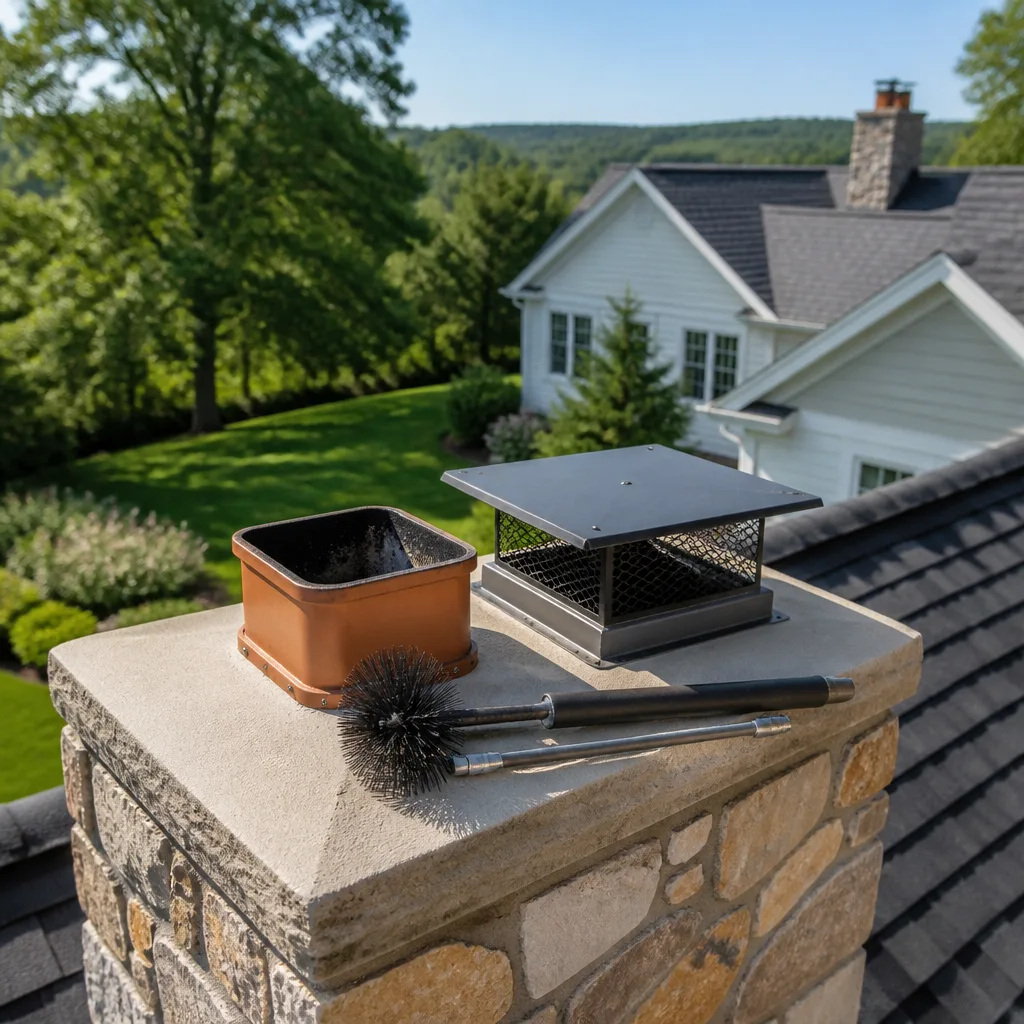 Sweep & inspection
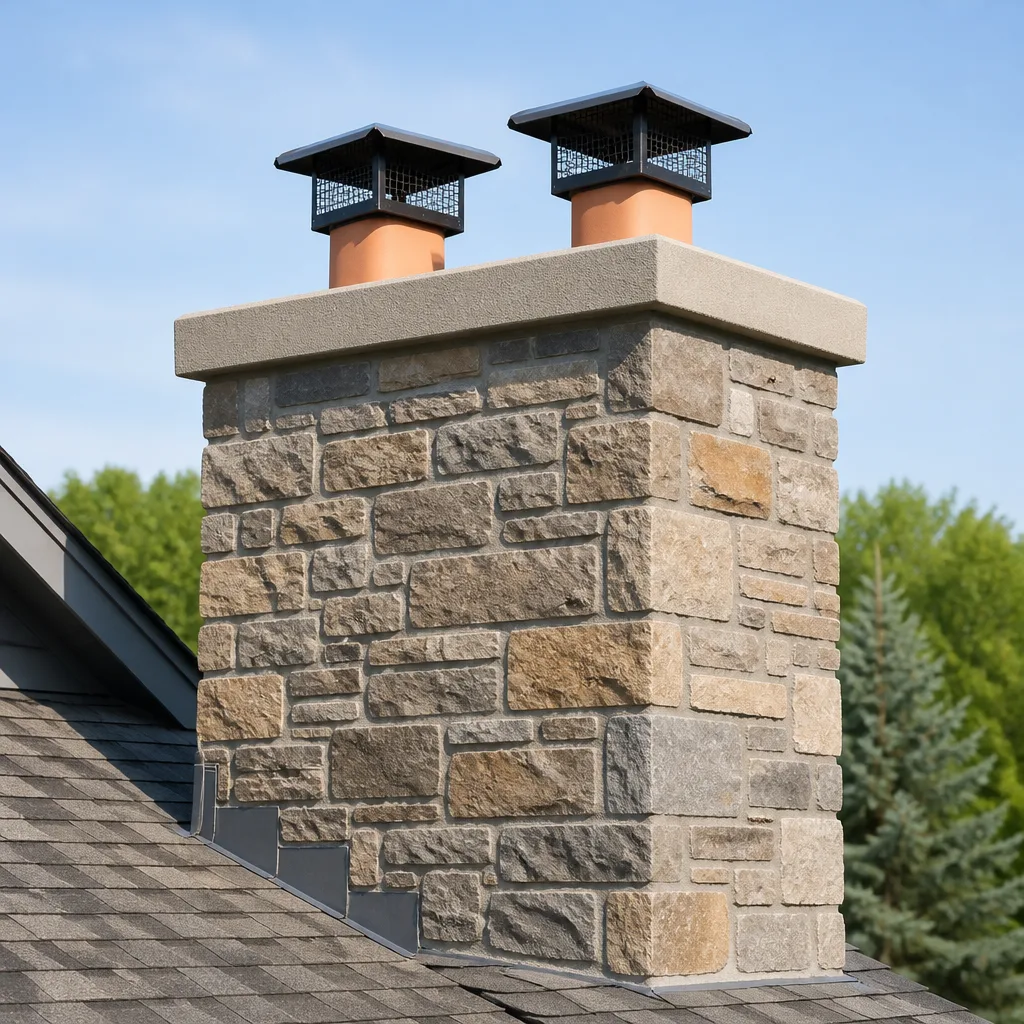 Caps & crowns
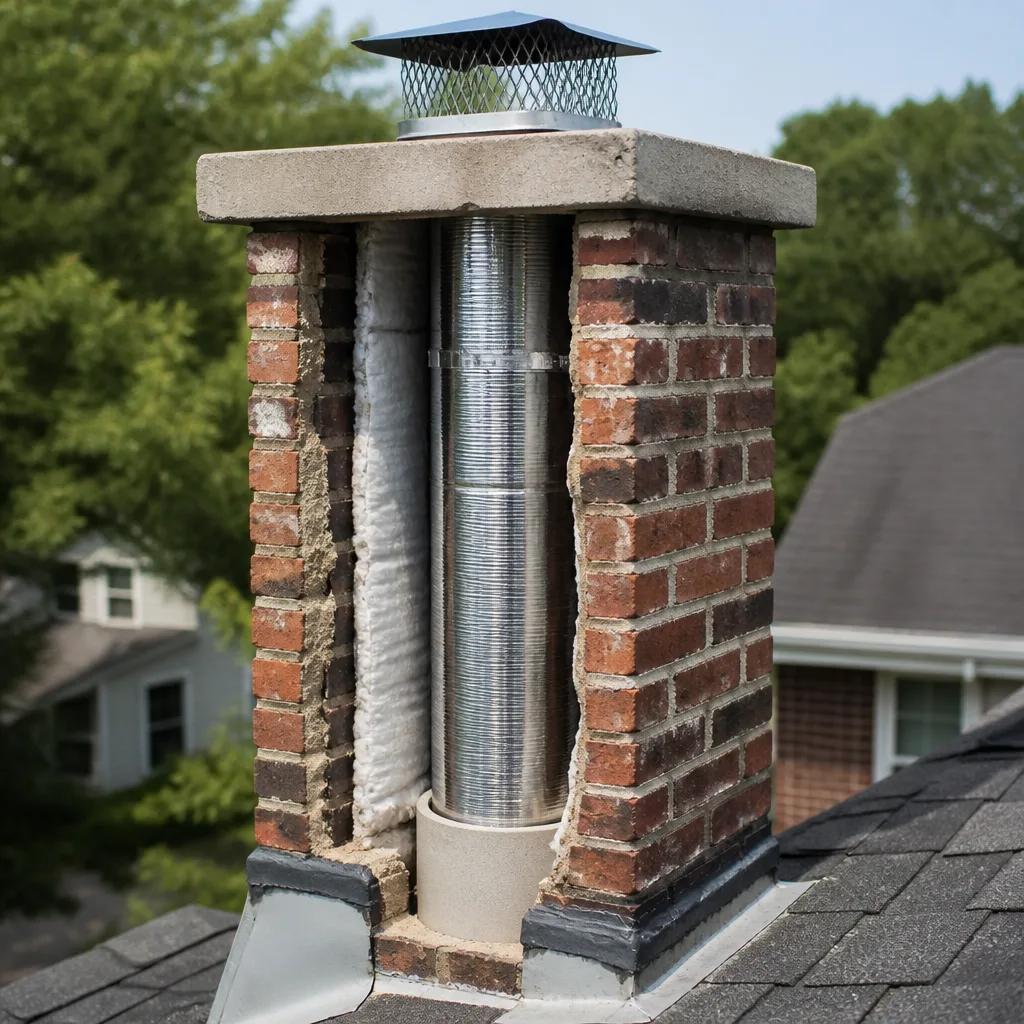 Flue relining
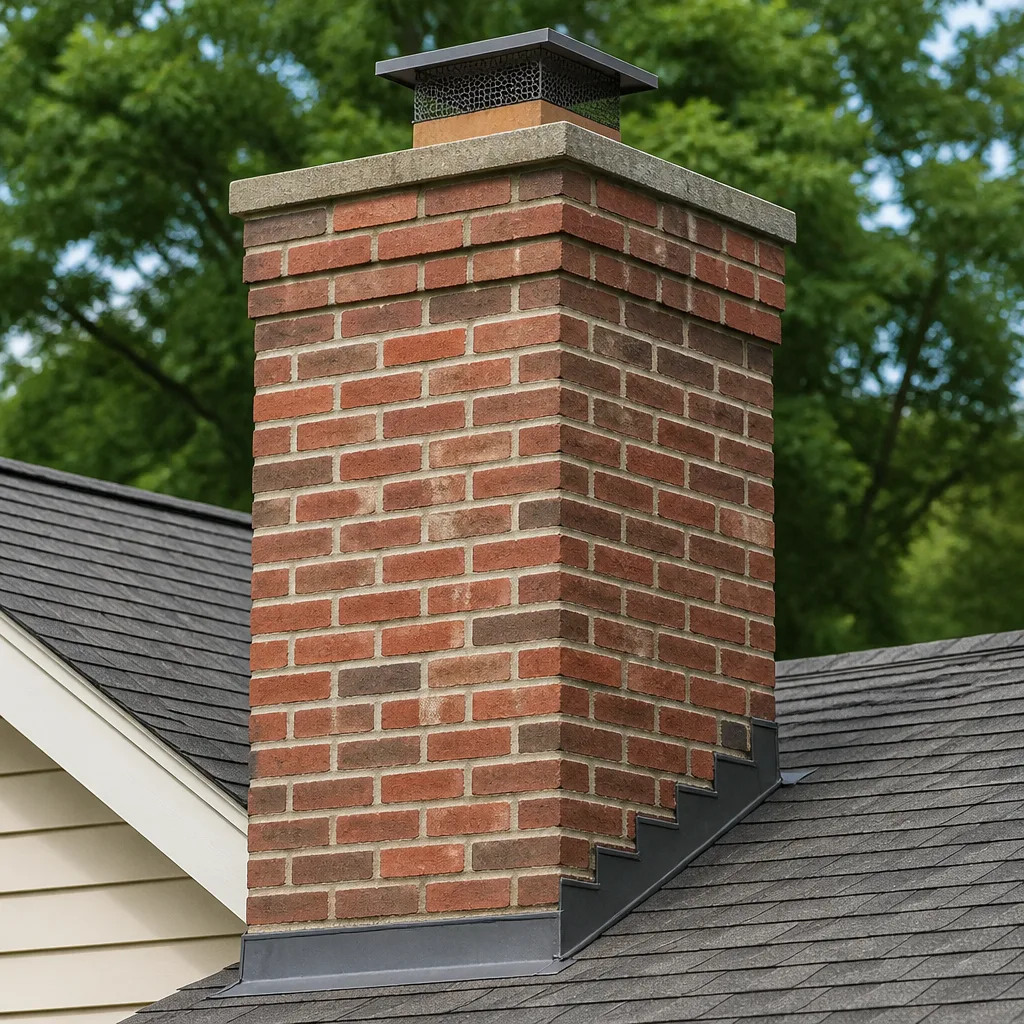 Masonry repair
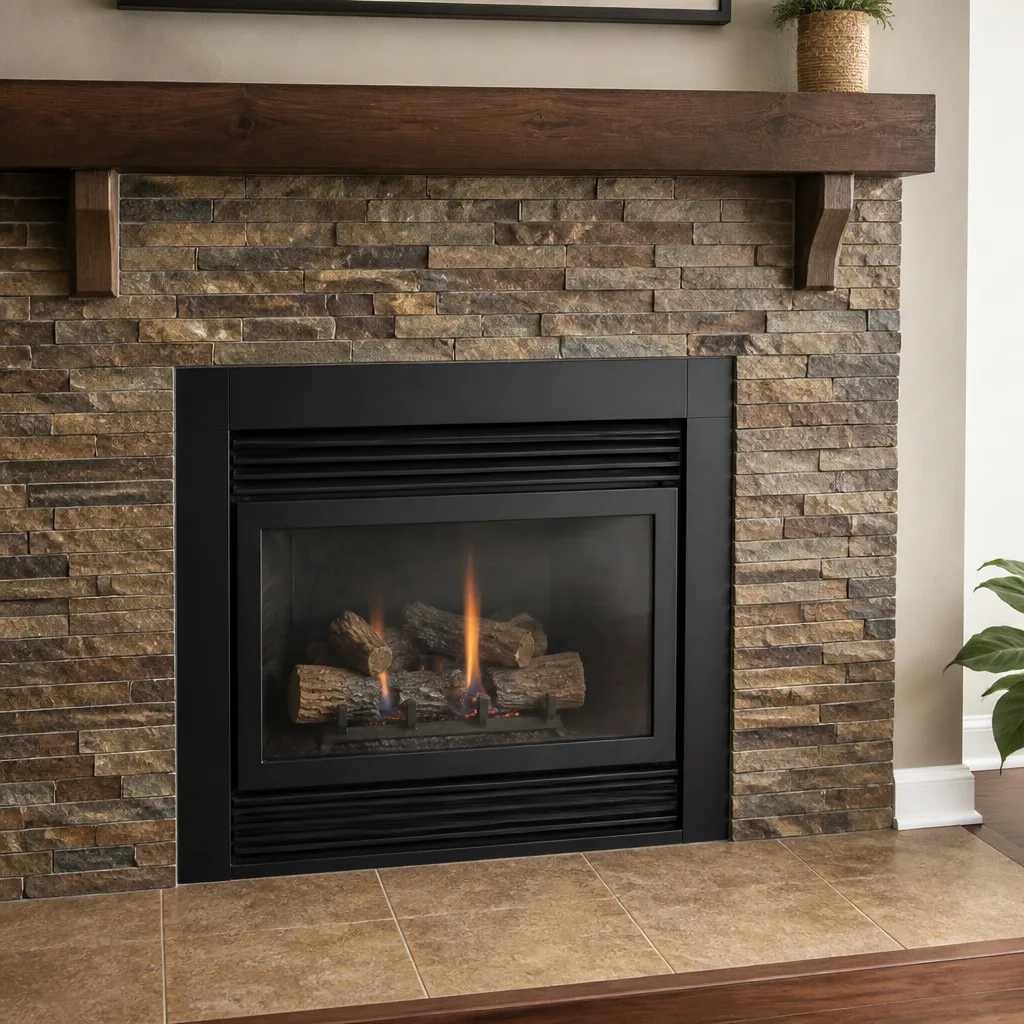 Gas fireplace service
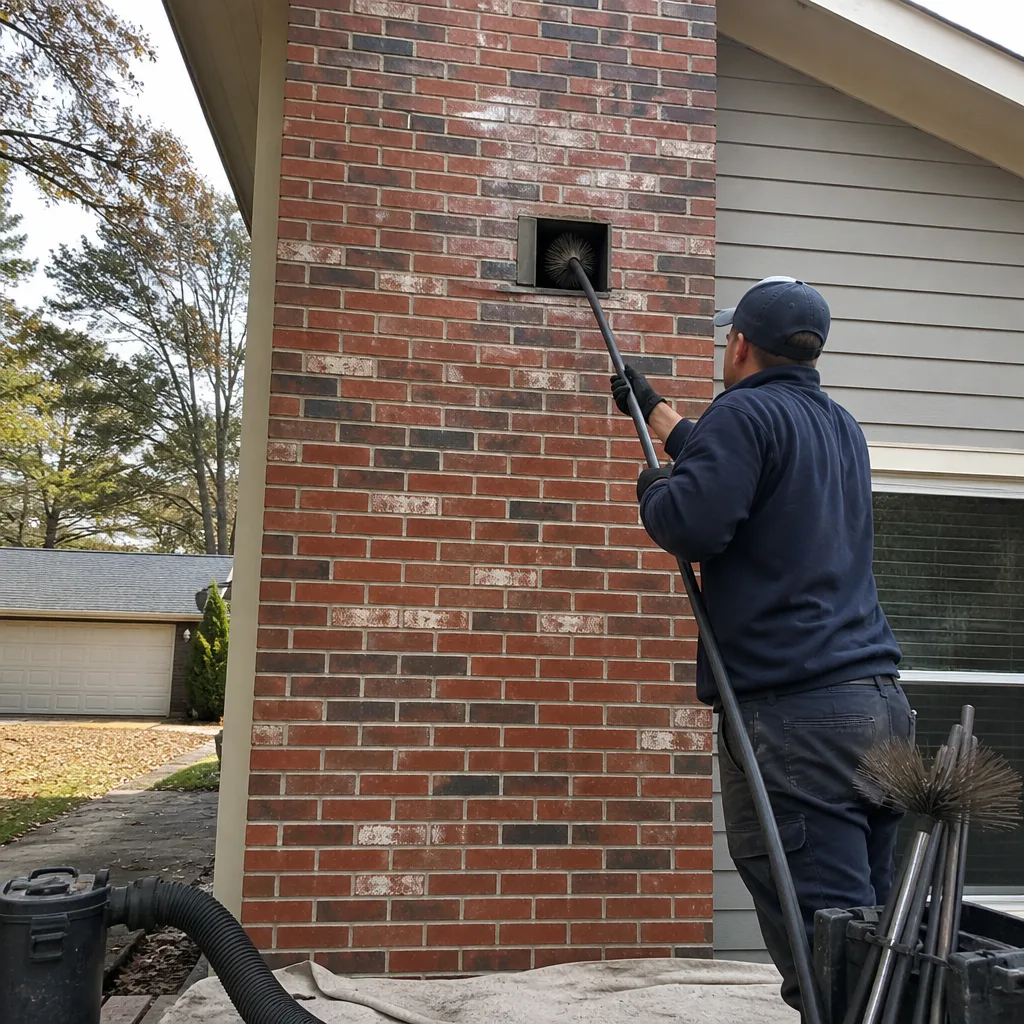
Level 1 sweep and inspection to the NFPA 211 annual standard - flue, crown, cap, and flashing checked and photographed
Chimney sweep logs do not sweep chimneys. They loosen some creosote - which then falls where a brush and vacuum still have to collect it.
Chimney Cleaning Warning Signs: A Marietta Homeowner’s Reference Guide
Here’s something that surprises most Marietta homeowners: your chimney tells you when something is wrong, long before it becomes dangerous. The problem is that the warnings come in a language most people never learned to read. A faint campfire smell in August, a few thin flakes of brick on the patio, a puff of smoke when you first light a fire. None of these feel like emergencies, so they get noted, shrugged off, and forgotten until the next burning season. This guide teaches you to read those signals the way a chimney sweep does, so you know what’s normal for a Marietta chimney, what needs watching, and what means the fireplace should stay cold until a professional has looked at it. For The Complete Guide to Chimney Cleaning in Marietta, see our companion resource.
Styles & brands we work with
Quick Answer
The most common chimney warning signs in Marietta homes are smoke backing into the room, a strong odor from the fireplace when it’s not in use, white staining on exterior brick, and flaking or spalling brick faces. Any of these means the chimney is not venting or shedding water correctly, and several indicate damage that gets more expensive the longer it waits. If you notice smoke entering the living space or a burning smell with no fire, stop using the fireplace and call a chimney sweep.
Table of Contents
- The Three-Tier Warning Sign System: Green, Yellow, Red
- What Smoke Behavior Actually Tells You
- Warning Signs You Can See From the Ground Outside
- Marietta-Specific Warning Signs: Older Housing Stock and Georgia Weather
- Cracking, Popping, and Other Sounds That Matter
- The Smell Test: What Different Odors Mean
- How to Do a Safe Ground-Level Inspection Yourself
- Common Mistakes to Avoid
- When to Call a Professional
- Frequently Asked Questions
- The Bottom Line
The Three-Tier Warning Sign System: Green, Yellow, Red
Most guides treat chimney problems as binary: either the chimney works or it’s a fire hazard. That’s not how chimneys actually behave. They degrade gradually, and the early warnings are subtle. We use a three-tier system with homeowners in Marietta because it separates what needs a note on the calendar from what needs a phone call tonight.
Green: Monitor
These are conditions that are normal for a working chimney but worth keeping an eye on. A small amount of soot dust on the hearth after burning a full cord of wood is normal. A faint smokiness in the room immediately after the fire is lit and then gone within two minutes is often just cold-air backdraft, which we’ll get into below. Hairline cracks in the exterior mortar that don’t widen over a season are typical for a chimney that’s seen Georgia summers and winters. Homeowners in east Cobb and Powder Springs with houses built before 1990 will see this often. None of these require immediate action, but they’re all things you should note and check again next time you’re out in the yard or cleaning the hearth.
Yellow: Schedule a Sweep or Inspection Soon
The yellow tier covers things that are not emergencies yet but will become expensive if ignored through another burning season. A persistent smoke smell in the room two days after the last fire. Mortar joints where you can slide a key more than half an inch into the gap. Brick faces that are starting to flake but haven’t yet exposed the inner wythe. A damper that scrapes when you open it or won’t hold its position. Efflorescence, that white powdery stain on the brick, is a yellow-tier sign: it means water is moving through the masonry and leaving mineral deposits behind. It’s not an emergency, but it is your chimney telling you the bricks are holding moisture, and in Marietta’s freeze-thaw winters, trapped moisture is what turns a $400 tuckpointing job into a $4,000 rebuild. If you’re seeing any of these, call us for a Chimney Inspection in Marietta and we’ll tell you plainly whether it can wait or needs work now.
Red: Stop Using the Fireplace and Call
Red-tier signs mean the fireplace is no longer safe to operate until a professional has corrected the problem. Smoke that pours into the room and doesn’t clear. A strong odor that smells like an active campfire when no fire has been lit in weeks. A deep, resonant cracking sound, not the normal tick of metal expanding, but a low pop that seems to come from inside the wall. Spalling brick where chunks have fallen away and you can see the darker inner masonry. Any sagging in the chimney structure, visible cracks wider than a quarter inch, or sections of the chimney cap that have shifted. If you see any of these, the system has crossed from “worn but functional” to “actively failing.” Stop using the fireplace. Call us. We’ll schedule a sweep and inspection, and we’ll give you a written price before any work starts so you know exactly what you’re dealing with.
What Smoke Behavior Actually Tells You
Smoke is a diagnostic tool. Where it goes, when it appears, and what it smells like all point to different problems, and Marietta homeowners who understand these distinctions can catch a $200 issue before it becomes a $6,000 one.
Backdraft on Startup
This is the most common smoke complaint we hear about, and the one most often misdiagnosed by homeowners as a “clogged chimney.” You light the fire, and for the first two or three minutes, smoke curls into the room instead of up the flue. Then it clears. What’s happening is a cold-air plug: the air inside the flue is colder and denser than the room air, and until the fire warms the flue enough to reverse the pressure, smoke has nowhere to go. This is usually a ventilation issue, not a blockage. Opening a window an inch in the room where the fireplace is located often corrects it. But if the backdraft never resolves, or if it happens every time even with a window open, the problem is more likely a flue restriction, an improperly sized liner, or competing exhaust fans in the house. That’s a call for an inspection.
Sustained Smokiness
Smoke that never fully clears, or smoke that grows worse as the fire burns, points to an obstruction. In Marietta, we see three causes more than anything else: creosote buildup that has narrowed the flue, debris from animals that nested over the summer, and cracked flue liners that are letting smoke escape into the chimney cavity instead of venting out the top. Sustained smokiness is a yellow-to-red signal depending on severity. If the smoke alarm goes off while the fireplace is in use, treat it as red. That’s your flue telling you it cannot move the volume of exhaust it was designed for, and carbon monoxide may be building inside the house even if you can’t see it.
Smoke Smell With No Fire
This one confuses people, and it should, because it feels like a ghost. You haven’t burned anything in two weeks, but the living room smells like a campfire, especially on humid days or when the AC kicks on. What you’re smelling is creosote off-gassing. Creosote is deposited inside the flue by every fire you burn, and when warm humid air moves through the chimney, it releases volatile organic compounds that smell like smoke. The fix is a Chimney Sweep in Marietta to remove the deposits. If the smell persists after a sweep, the issue is often a rusted damper assembly or water-damaged masonry holding creosote residue in the chimney throat. We’ll tell you which it is and what it costs to fix before we touch anything.
Warning Signs You Can See From the Ground Outside
Most Marietta homeowners never think to look at their chimney from outside. The fireplace is an indoor object, so the outdoor half of the system gets ignored, and that’s where some of the clearest warnings live.
White Staining on the Brick
Efflorescence looks like someone dusted the chimney with powdered sugar. It’s mineral salts being pushed to the surface as water migrates through the masonry. The stain itself is harmless. The water moving through your chimney is not. Efflorescence means the brick is absorbing more water than it’s shedding, which could point to a failed chimney cap, cracked crown mortar, or porous brick on an older home. In Marietta, the clay-heavy soil holds moisture against foundations, and the area’s heavy spring rains give masonry plenty of opportunities to absorb water. If you see the white staining, get a ground-level look at the cap and crown.
Flaking and Spalling Brick
Spalling is what happens when water inside brick freezes and expands, breaking off the face of the brick. Georgia winters are mild compared to the Midwest, but Marietta still sees enough freeze-thaw cycles each year to do real damage on homes built before modern mortar standards. You’ll see thin flakes of brick on the patio below the chimney, or the brick faces will look pitted and rough. Spalling is not just a cosmetic issue. Each flake is a piece of the chimney’s structural shell leaving the building. Once the outer face is gone, water penetrates faster, and the cycle accelerates. If you’re seeing flaking on a chimney that’s venting an active fireplace, that’s a yellow-to-red tier issue and worth a call.
Rust Stains or Dark Streaks
Rust streaks running down the chimney face usually mean the steel damper or the chimney cap is corroding. Dark streaks could be creosote weeping through cracks in the masonry, especially after rain. Both mean water is inside the system where it shouldn’t be. If the streaks appear near the top third of the chimney, suspect the cap or crown. Lower streaks often point to water intrusion at the roofline flashing. The flashing is the metal where the chimney meets the roof shingles, and on Marietta homes with older roofs, this is one of the most common leak points in the whole house.
Marietta-Specific Warning Signs: Older Housing Stock and Georgia Weather
Chimneys in Marietta age differently than chimneys in Phoenix or Minneapolis. Our combination of humid summers, clay soil, and freeze-thaw winters creates a specific set of problems that show up repeatedly in homes across Cobb County.
Mortar Joint Erosion on Pre-1990 Construction
Homes built in Marietta before 1990 were often constructed with a lime-based mortar that is softer and more porous than the Portland-cement mixes used today. Over 30 to 50 years, that mortar erodes from the constant humidity swings. Joints that were once flush with the brick face become recessed, and water gets a place to sit. You can check this yourself: run a finger along the mortar joints on the chimney base. If the mortar feels sandy and crumbles under light pressure, it’s failing. This is a yellow-tier item. Tuckpointing, which is removing the old mortar to a set depth and replacing it with the right mix, restores the chimney’s water resistance. Done before spalling begins, it’s a few hundred dollars of work. Done after the brick faces start popping, it’s a rebuild.
Freeze-Thaw Damage in Shaded Chimneys
Marietta gets about 35 freezing nights per year on average, and the damage usually shows on chimneys that sit on the north side of the house or under heavy tree cover. Those spots don’t get the winter sun that dries out masonry after rain, so the bricks stay saturated when the temperature drops. That’s exactly when freeze-thaw spalling happens. If your chimney lives in the shade, check it after winter rains. You’re more likely to see flaking there than on a chimney that gets full afternoon sun.
Animal Intrusion Season
Chimney swifts are protected in Georgia and nest in chimneys from April through September. Squirrels and raccoons see an uncapped flue as a tree cavity with a roof. The warning signs are sounds: scratching or chirping from inside the chimney, usually in the early morning. The chimney cap is the defense. If yours is missing or the mesh is torn, the flue is an open door. After any nesting season, always have the flue swept before the first fire. Nesting material is dry, highly combustible, and sits right on top of last year’s creosote. It’s a chimney fire waiting for a spark.
Cracking, Popping, and Other Sounds That Matter
Every fireplace makes noise. Metal expands as it heats, and a ticking or light popping sound in the first ten minutes of a fire is just the damper assembly and the firebox panels warming up. But some sounds mean something is failing inside the chimney, and the difference is audible if you know what to listen for.
Normal Sounds
A rhythmic tick-tick-tick from the firebox as the fire gets going is metal expanding. A whispery sound from the flue when wind blows across the chimney top is normal. The occasional creak from the house framing as the chimney chase warms is also nothing to worry about. These are sounds of a chimney doing its job.
Warning Sounds
A low, deep pop that you feel as much as hear, often accompanied by the fire suddenly burning differently, suggests a flue liner tile has cracked. Clay tile liners are brittle, and when one section cracks under thermal stress or from a previous chimney fire, the pop is the sound of failure. It’s a red-tier sign. Stop using the fireplace. A grinding or scraping sound when you operate the damper means the damper has warped or the hinges are failing. That’s yellow. And a persistent dripping sound inside the chimney on rainy days means water is getting past the cap, crown, or flashing, and you’re hearing it land inside the smoke chamber. Water inside an active chimney is never a good sound.
If you hear the deep pop and you’re not sure, the safest move is to stop burning and call for an inspection. We’d rather tell you it was nothing than have you find out it was the liner.
The Smell Test: What Different Odors Mean
Your nose is the most sensitive diagnostic tool you own, and the fireplace gives off distinct smells for distinct problems. Here’s how to read them.
Campfire Smell With No Fire
As covered earlier, this is creosote off-gassing. It’s the most common odor complaint we get in Marietta, especially during humid months when the air pressure changes. The fix is a sweep to remove the deposit.
Musty, Damp Smell
A mildew or wet-basement smell coming from the fireplace means water is entering the chimney somewhere and mold or mildew is growing inside the masonry. This is more common in Marietta’s warmer months because the temperature and humidity create ideal conditions for growth. The source is usually a cracked chimney crown or failed flashing. Fix the water, and the smell goes away.
Sharp, Acrid, Almost Chemical Smell
This is the smell of combustion gases that aren’t venting correctly, and it’s a red-tier sign. It often accompanies a backdraft that won’t clear or a flue that’s partially blocked. If you smell this while the fireplace is in use, extinguish the fire, open windows, and call a professional before burning again. Carbon monoxide has no smell, but the other gases that travel with it do, and that acrid odor is your only warning that they’re in the room with you.
Rotting, Decaying Smell
That’s an animal that didn’t make it out of the chimney. It happens more often than you’d think, usually when a bird or squirrel gets past a damaged cap and can’t climb back out. The smell lasts a few weeks and then fades, but the carcass and nesting material remain inside the flue. If it happens, resist the urge to use the fireplace and burn it out. You want a sweep to remove the obstruction and then a repair to the cap so it doesn’t happen again.
How to Do a Safe Ground-Level Inspection Yourself
You don’t need a ladder to gather useful information about your chimney. The most important checks can be done with your feet on the ground and a pair of binoculars. Here’s the process we recommend to every Marietta homeowner.
- Stand back 30 feet. Look at the chimney’s vertical line. A chimney that leans, even slightly, is a structural problem. It should be dead straight from foundation to cap.
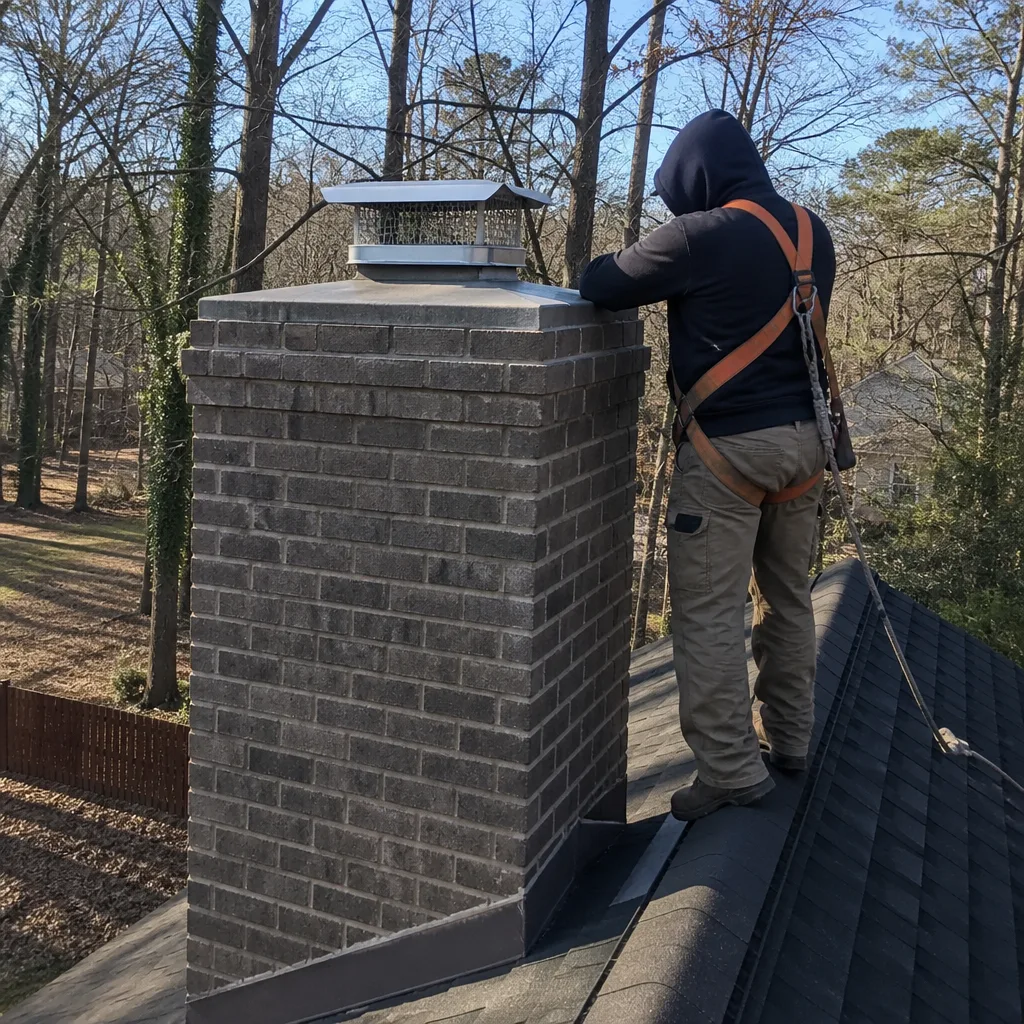
- Study the cap and crown with binoculars. The cap is the metal cover over the flue opening. The crown is the concrete slab around it. Look for cracks in the crown, rust on the cap, or a cap that’s shifted out of place. Any of these means water is getting in.
- Walk the perimeter of the house. Look for flaking brick, white efflorescence stains, or dark streaks on any chimney face you can see from the ground.
- Check the flashing from a distance. The flashing is where the chimney meets the roofline. If you can see gaps, lifted shingles, or rust around that seam, water is getting into the house at the chimney.
- Look at the ground around the base. Piles of brick flakes, bits of mortar, or pieces of metal on the patio below the chimney are evidence the chimney above is shedding material.
- Open the damper and look up with a flashlight. From inside the house, open the damper and shine a strong flashlight up the flue. You’re looking for buildup on the flue walls, visible obstructions, or day light that shouldn’t be there (light coming through cracks in the liner). If you can’t see the flue walls because of thick black deposit, it’s time for a sweep.
This is not a substitute for a professional inspection. A full Chimney Inspection in Marietta includes equipment you don’t have at home: video cameras that show the inside of the flue liner, moisture meters, and draft gauges. But these six checks will tell you whether you should be calling us this week or whether you can wait until the fall.
Common Mistakes to Avoid
- Burning the smell away. If the fireplace smells musty or like creosote, lighting a fire to “dry it out” doesn’t fix the underlying issue and in some cases makes it worse. You’re adding more creosote to a flue that’s already signaling it needs a sweep.
- Ignoring efflorescence because it’s “just cosmetic.” The stain is cosmetic. The water intrusion behind it is not. Every season of water damage moves the chimney closer to a rebuild.
- Using the fireplace after hearing a deep pop. That sound is a structural event. The cost of an inspection is a fraction of the cost of a chimney fire or a collapsed liner.
- Skipping the cap repair because the fire still works. A missing or damaged cap is how animals, rain, leaves, and all of it into your flue. The fireplace will work right up until it doesn’t, and the first sign of “doesn’t” is usually smoke and carbon monoxide in the house.
- Assuming a new house means a good chimney. Marietta homes built in the 2000s and 2010s can have installation flaws: improperly sized liners, missing smoke chamber parging, or inadequate crown overhang. Newer is not the same as correct.
- Chipping out cracked mortar with a screwdriver. That’s masonry work you’re doing without knowing the depth of the damage or the right mortar to use. The wrong repair can trap more water than it keeps out.
- Waiting for the next burning season to deal with a known issue. Scheduling a sweep and inspection in the spring or summer, when Marietta sweeps have more availability, is cheaper and easier than waiting until the first cold snap in October when everyone else has the same idea.
When to Call a Professional
You should call a chimney sweep if you see white efflorescence that persists through the summer, flaking brick, smoke that doesn’t clear, a smell that doesn’t go away after a sweep, or any crack wider than a quarter inch anywhere on the chimney. You should stop using the fireplace and call immediately if smoke pours into the room, you hear a deep pop, you smell acrid gases, or you find evidence that animals have nested in the flue.
Ashby Chimney Marietta offers free estimates in Marietta, and every job gets a written price before any work starts. If you’re not sure whether what you’re seeing is normal, call us. We’ll tell you straight, and we won’t recommend work you don’t need. Our phones are answered by a live person 24 hours a day at (478) 796-8742. No voicemail loops, no callbacks, no waiting until Monday. We’ve been doing this since 2002, and we put every repair in writing under the Kingswell Guarantee: if it fails inside the guarantee period, we come back and fix it at no charge.
Frequently Asked Questions
Most Marietta homeowners should have their chimney swept once per year if they burn regularly during the winter months, or after every cord of wood burned, whichever comes first. Homes that burn pressed logs or green wood may need sweeping more often because those fuels produce more creosote. Call (478) 796-8742 and we’ll give you an honest recommendation based on your burning habits.
A standard chimney sweep in Marietta typically runs between $180 and $350 depending on the level of buildup, the height of the chimney, and whether the flue needs any special access. Ashby Chimney Marietta gives every customer a written price before work starts, so the number we quote is the number on your invoice. No surprise add-ons at the door.
Yes. The flue liner is the clay or steel tube that carries combustion gases out of your home, and when it cracks, those gases, including carbon monoxide, can seep into the wall cavities and living spaces. A cracked liner also lets heat reach the combustible framing around the chimney. It’s one of those problems that doesn’t announce itself loudly, so an annual inspection is the only reliable way to catch it early.
It’s possible to buy a DIY chimney brush kit, but as we explain in our DIY vs Professional Chimney Cleaning: The Marietta Homeowner’s Decision Guide, a professional sweep does more than push soot around. A proper sweep in Marietta includes a full inspection of the flue liner, smoke chamber, damper, cap, crown, and flashing. A professional also knows how to spot the problems that a brush can’t fix. The sweeping itself is only half the value.
Heat and humidity in Marietta’s summer months cause creosote deposits inside the flue to off-gas more actively, and the air pressure in the house pushes those smells down into the living room instead of up and out the chimney. A sweep removes the creosote that’s causing the smell, and after that, keeping the damper closed when the fireplace isn’t in use helps reduce it.
Yes, though less frequently. Gas fireplaces produce less creosote than wood, but they still produce acidic condensate that can corrode flue liners and damper assemblies over time. They should be inspected annually and swept on the schedule the inspection recommends. Ashby Chimney Marietta services gas and wood-burning fireplaces across Marietta and Cobb County.
The Bottom Line
Your chimney is the quietest system in your house until it isn’t, and the warnings it sends are easy to dismiss as quirks. The fix is to learn the vocabulary. White stains mean water. Smoke in the room means ventilation. A campfire smell in July means creosote. A deep pop means stop. Once you know the signals, the decisions get simpler. Most of what Marietta homes need is a yearly sweep and inspection, and occasionally a repair that’s cheaper the day you catch it than the year after you ignore it. For more guides & resources, visit our blog. If you’re seeing anything in this guide and you’re not sure where it falls, call us at (478) 796-8742. We’ll walk you through it, and if you need a visit, you’ll get a written price before we start. No drama, no pressure. Just straight answers from people who’ve been doing this in Marietta since 2002.
Written by Nathan Corliss, Owner at Ashby Chimney Marietta, serving Marietta since 2002.
See the difference
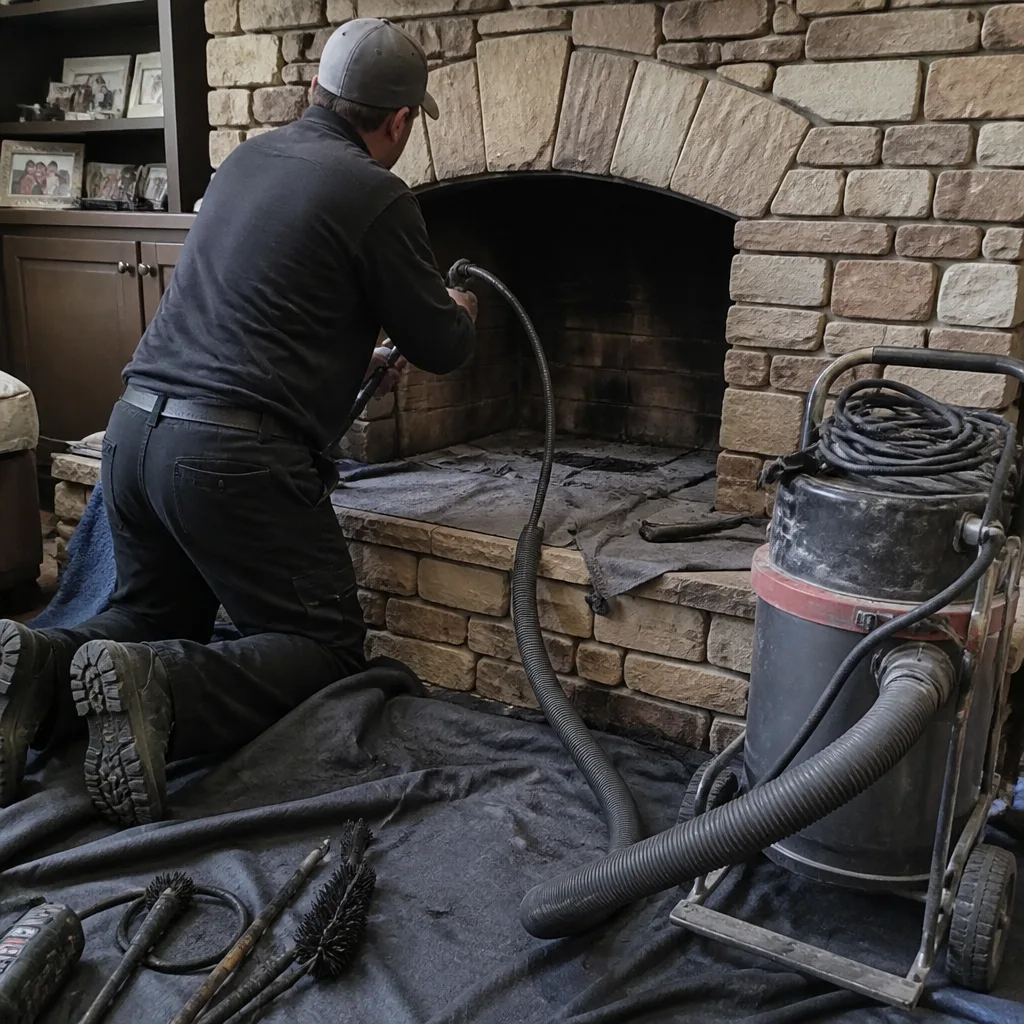 Before
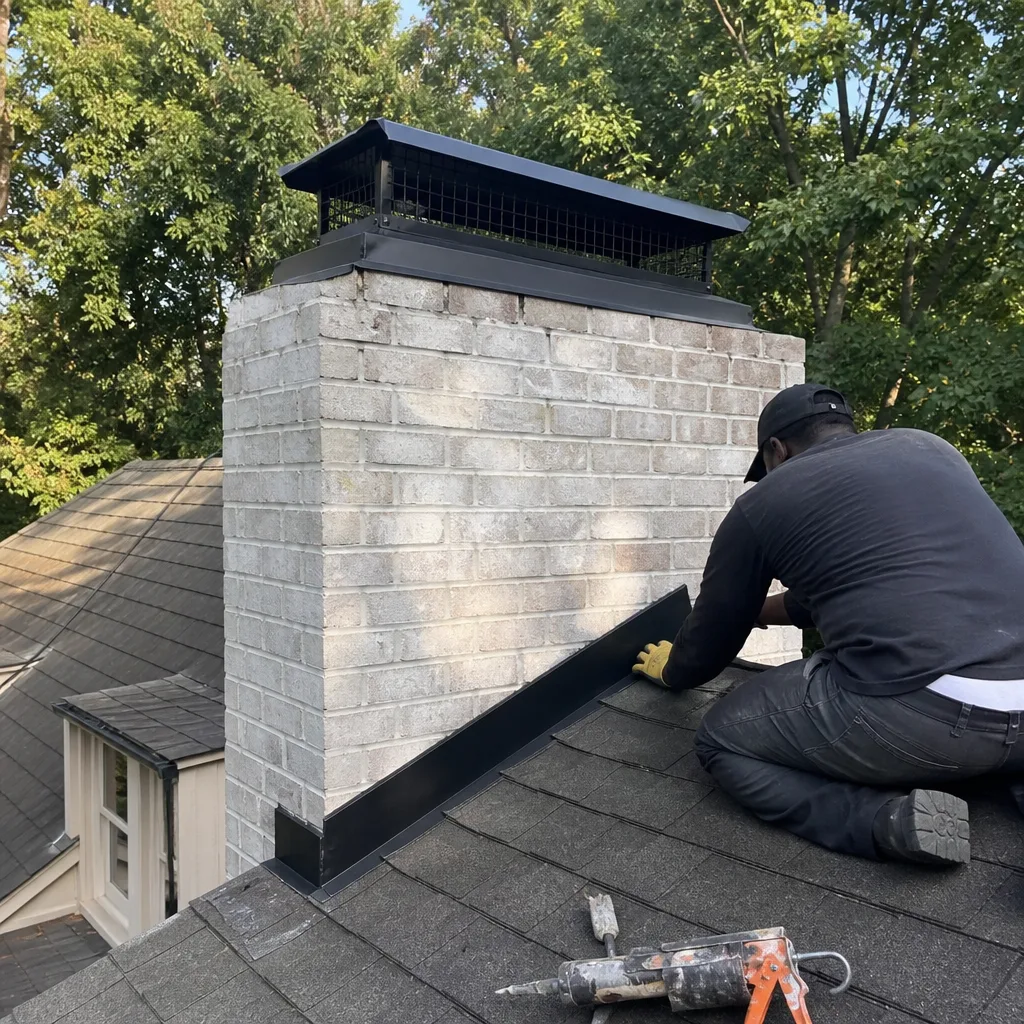 After
After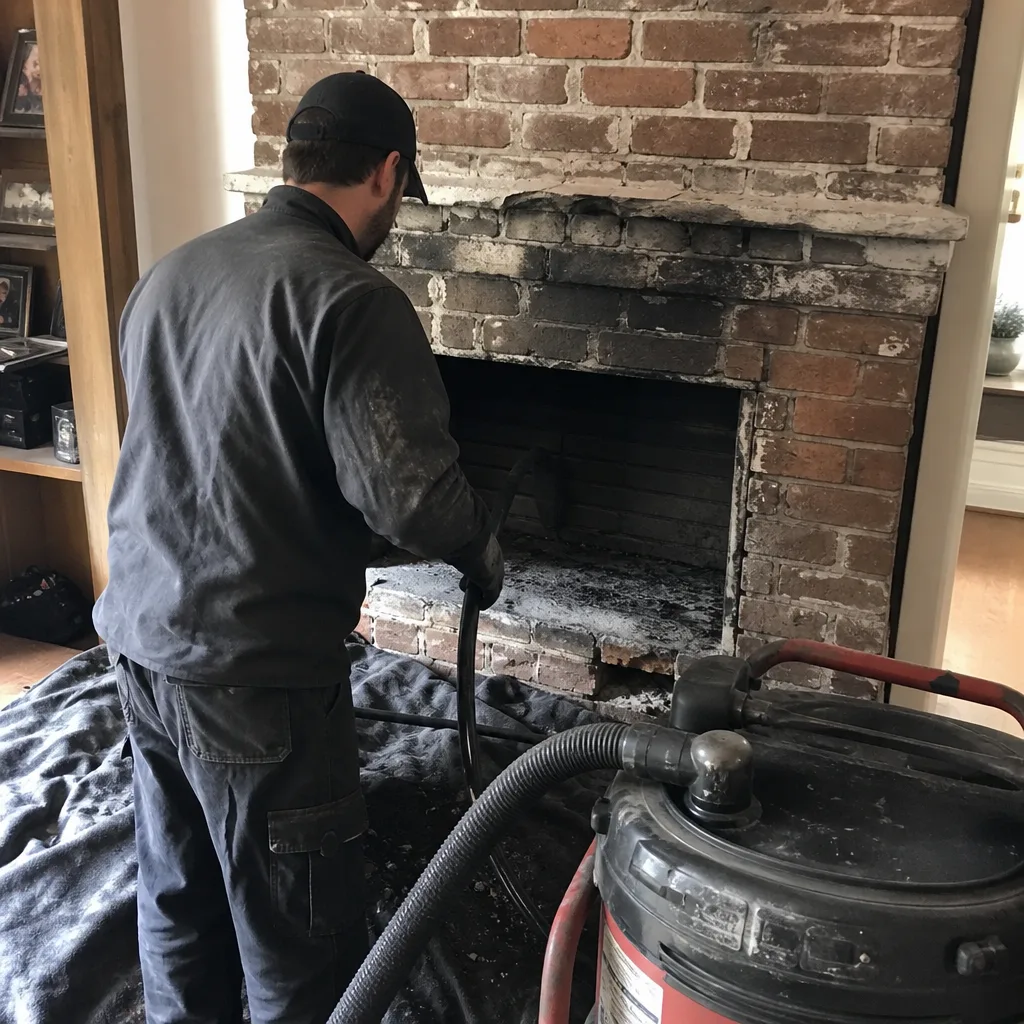 Before
 After
After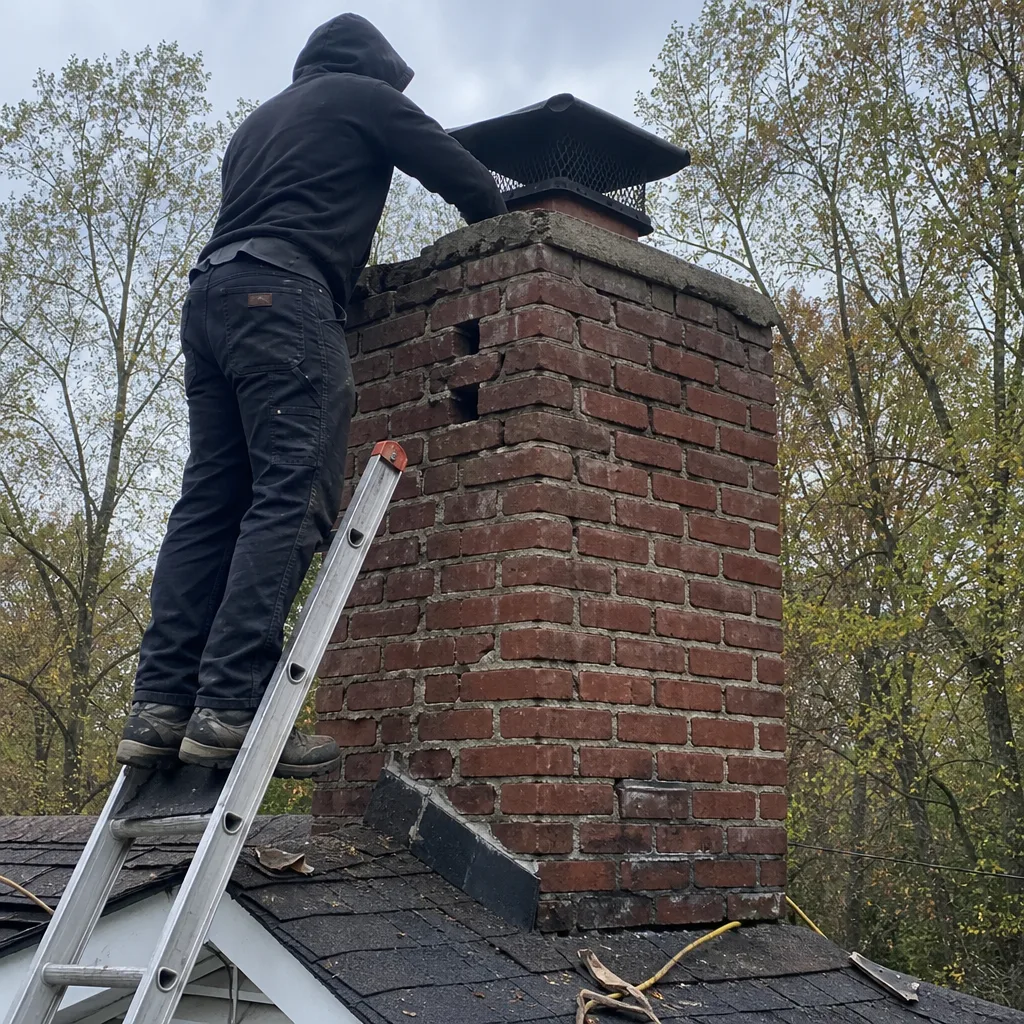 Before
 After
After