
Last updated October 15, 2026
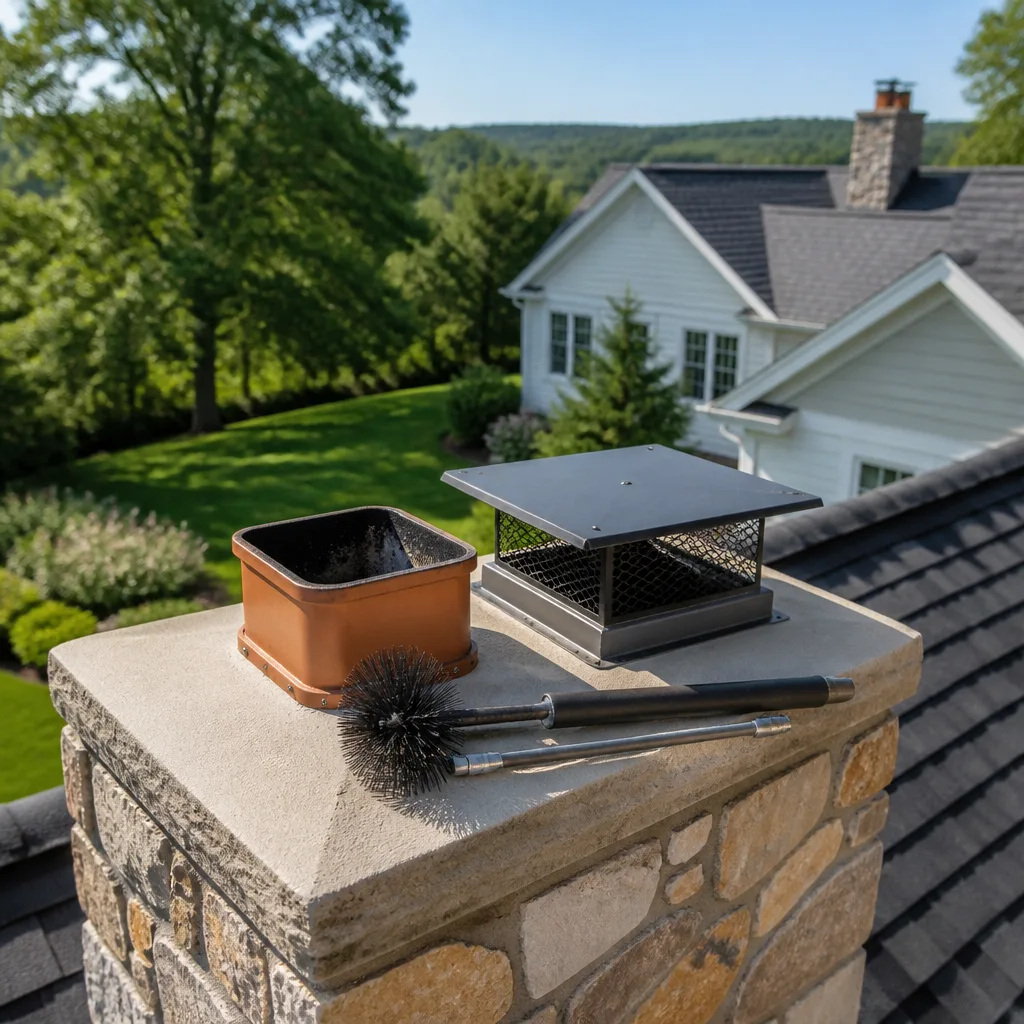 Sweep & inspection
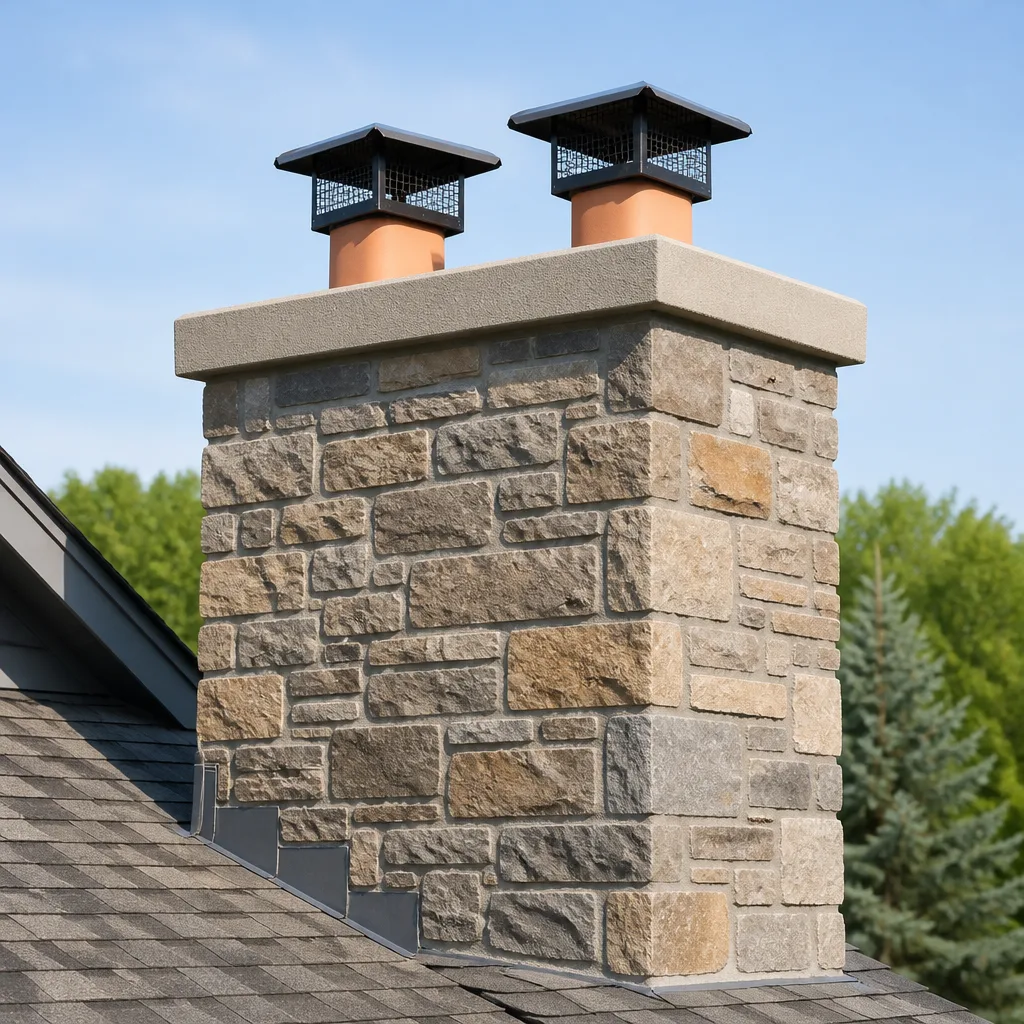 Caps & crowns
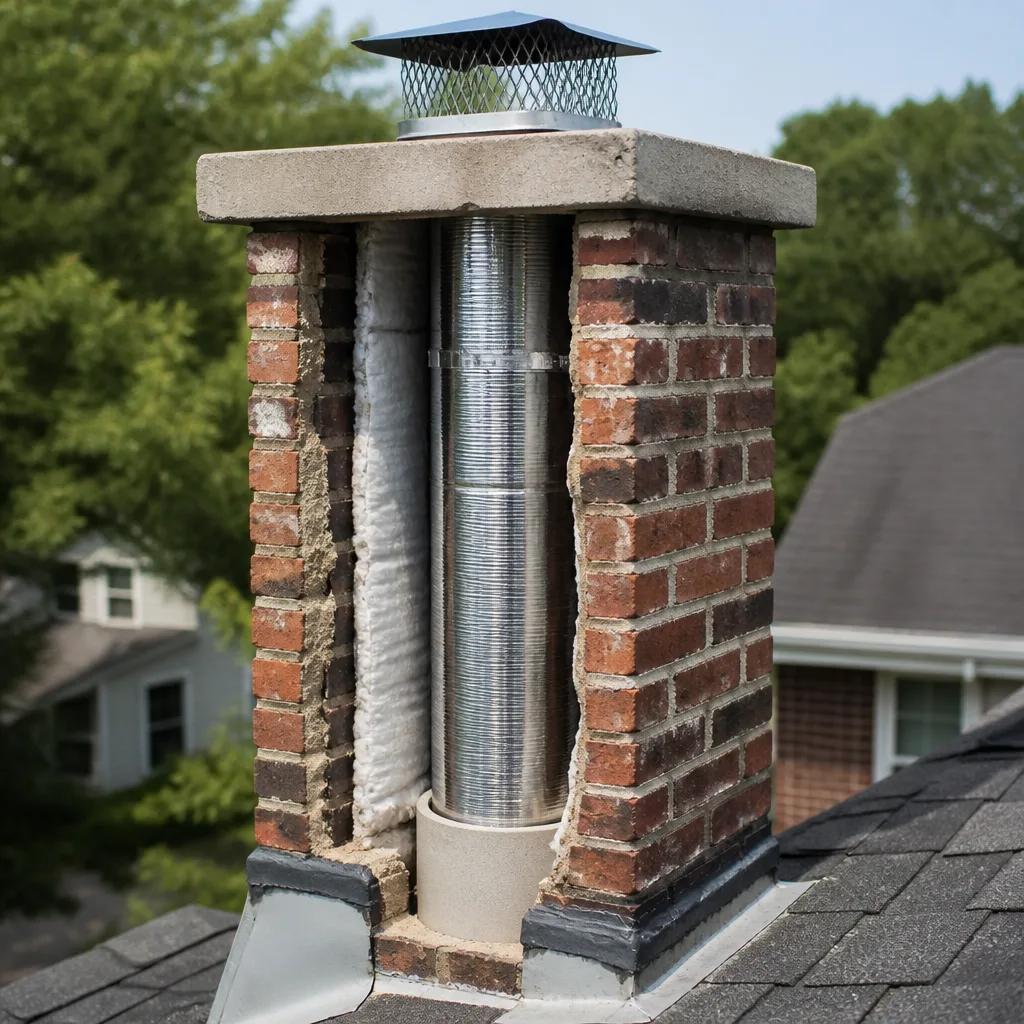 Flue relining
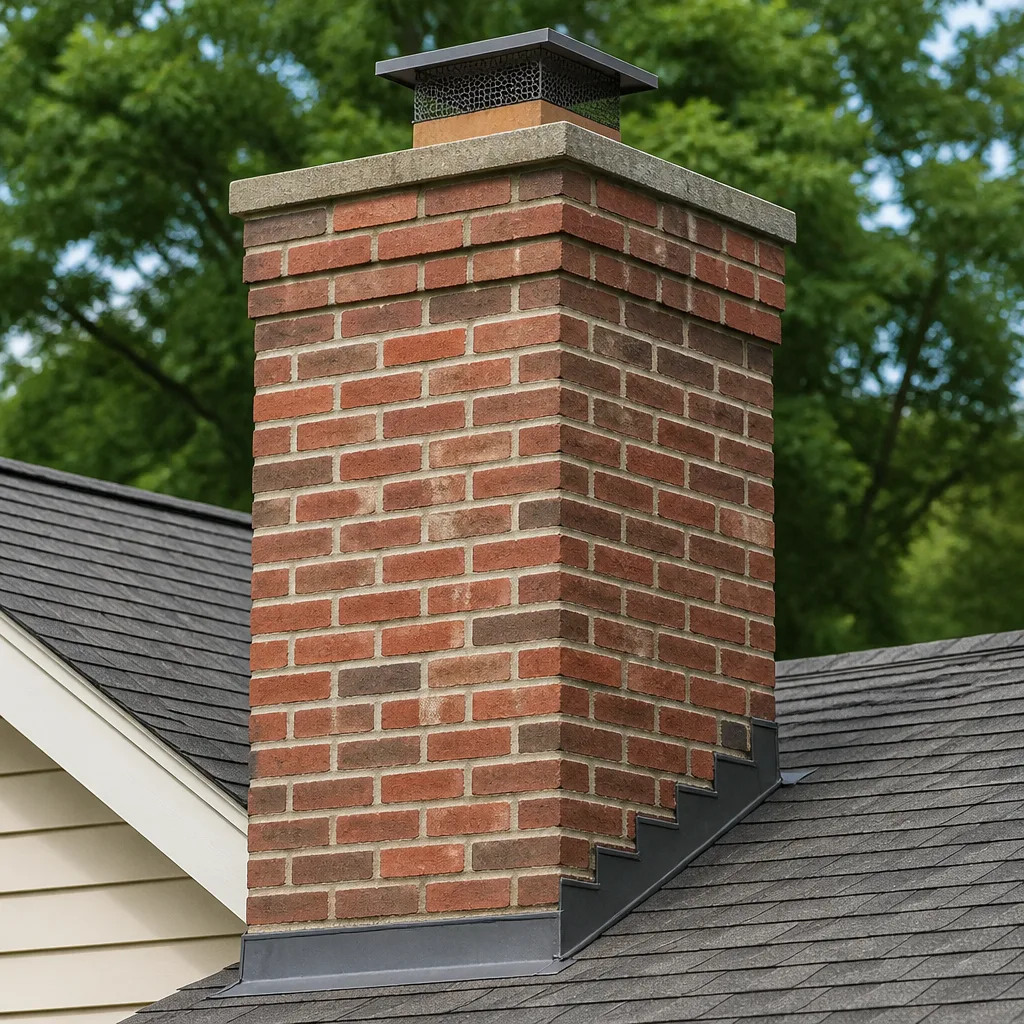 Masonry repair
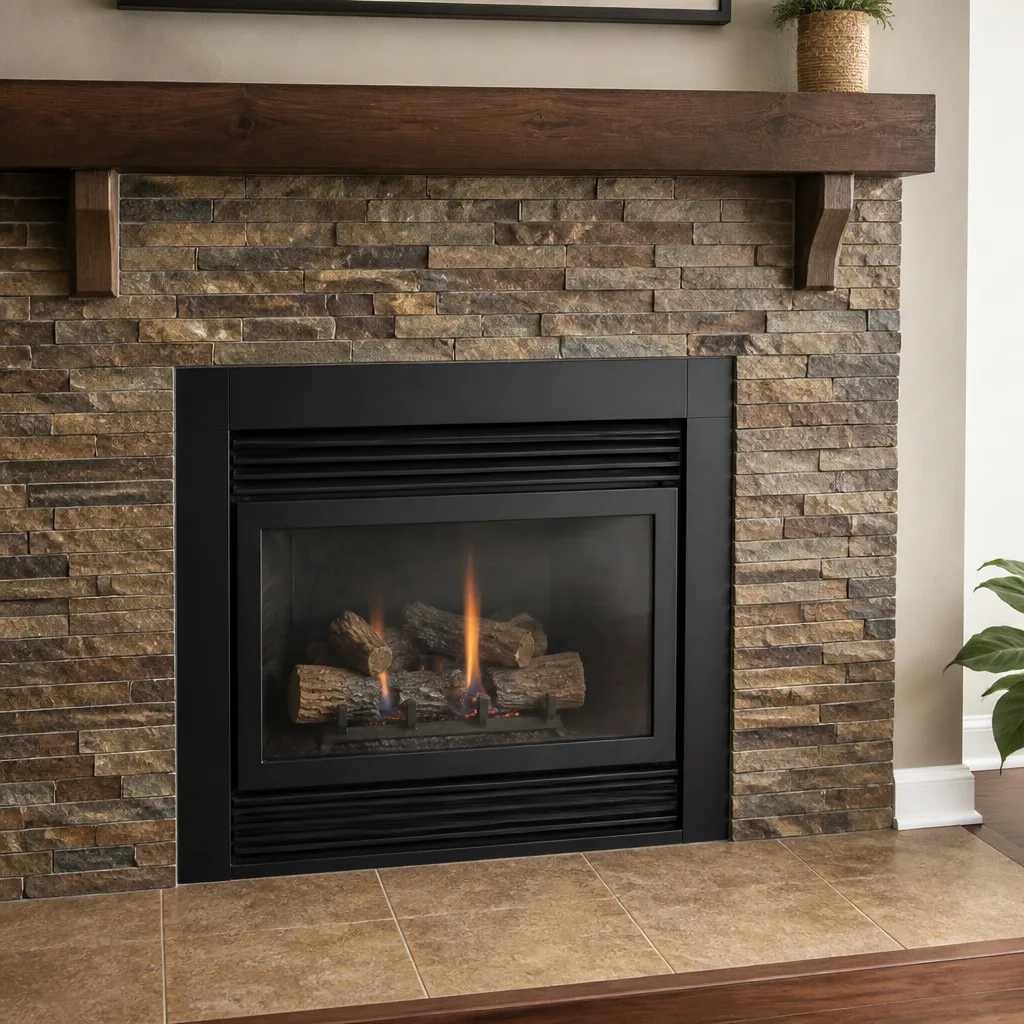 Gas fireplace service
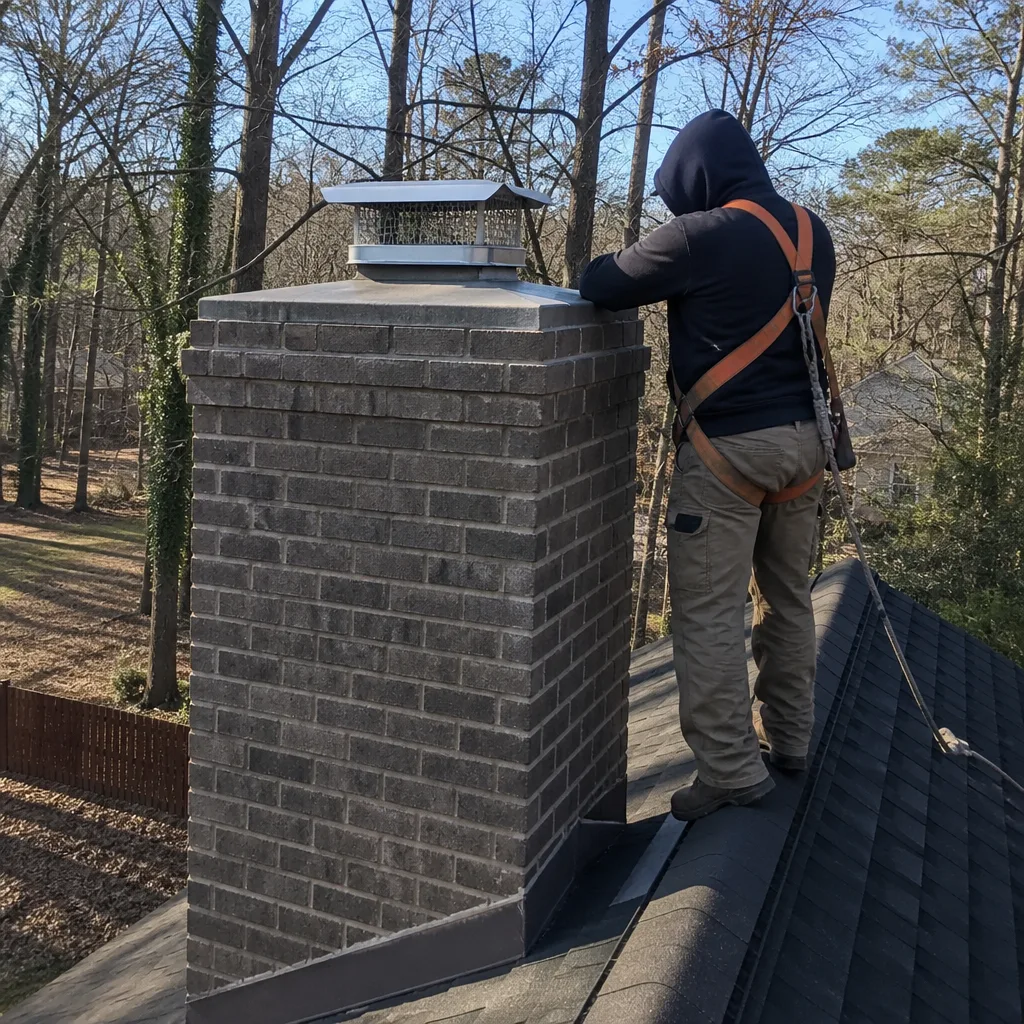
Level 1 sweep and inspection to the NFPA 211 annual standard - flue, crown, cap, and flashing checked and photographed
Chimney sweep logs do not sweep chimneys. They loosen some creosote - which then falls where a brush and vacuum still have to collect it.
Chimney Cleaning Permits, Codes & Inspections in GA: What You Need to Know
Here’s something that surprises most homeowners in Marietta when we tell them: the state of Georgia does not require a single license, certification, or registration to call yourself a chimney sweep. Anyone with a ladder and a brush can print business cards tomorrow. That means the only thing standing between your flue and someone unqualified working on it is your ability to ask the right questions before they start. In this guide and our The Complete Guide to Chimney Cleaning in Marietta, we’ll walk through what actually requires a permit in Georgia, which codes govern chimney work, what the three levels of chimney inspection mean, and how to protect yourself from the liability that follows unpermitted structural repairs.
Styles & brands we work with
Quick Answer
Routine chimney sweeping and basic visual inspections do not require a permit anywhere in Georgia, including Marietta and Cobb County. However, any structural repair to the chimney system – relining, firebox rebuilds, masonry repair beyond cosmetic pointing, or cap replacement that alters the flue termination – typically triggers a building permit under IRC Chapter 10, which Georgia has adopted statewide. Before hiring anyone, ask whether the work they’re recommending is permit-exempt or permit-required, and get that answer in writing. If a contractor can’t tell you which category the work falls into, that’s your signal to call someone else.
Table of Contents
- Georgia’s Chimney Licensing Reality: No State License Exists
- What Chimney Work Is Permit-Exempt in Marietta and Cobb County
- What Work Triggers a Permit Under IRC Chapter 10
- NFPA 211 Inspection Levels: Level 1, Level 2, and Level 3 Explained
- How Inspection Levels Affect Insurance Claims and Home Resale
- Documentation to Request Before and After Chimney Work
- Homeowner Liability for Unpermitted Chimney Work
- Common Mistakes to Avoid
- When to Call a Professional
- Frequently Asked Questions
- The Bottom Line
Georgia’s Chimney Licensing Reality: No State License Exists
Let’s start with the fact that catches most people off guard. Georgia has no statewide chimney contractor licensing requirement. Not a trade license, not a specialty certification, not a registration. The state licenses electricians, plumbers, HVAC contractors, and general contractors through the Georgia Secretary of State’s office. Chimney sweeps are not on that list. This isn’t an oversight – it’s simply a trade that has never been brought under Georgia’s occupational licensing umbrella.
What this means for a homeowner in Marietta is straightforward: you are the quality control department. When you hire a chimney sweep in Marietta, you’re relying entirely on that company’s own standards, training, and reputation. There’s no licensing board to complain to if the work is substandard, and no state inspector who will catch bad workmanship before it becomes a problem.
This is why we believe in putting our standards in writing before any work begins. Since 2002, Ashby Chimney Marietta has operated under the Kingswell Guarantee, which means every job gets a written price before work starts and a written guarantee when it’s done. If a covered repair fails inside the guarantee period, we come back and fix it at no charge. That’s the 365-Day Done Right Promise, and in a state with no licensing requirement, a written promise is the closest thing to real accountability you’re going to find.
What about national certifications? The Chimney Safety Institute of America (CSIA) offers technician certification, and NFPA 211 sets the standard for inspection and maintenance. Neither is required by Georgia law. We recommend asking any contractor you’re considering what training their technicians have completed and whether they follow NFPA 211 standards. If they can’t answer that question clearly, keep looking.
What Chimney Work Is Permit-Exempt in Marietta and Cobb County
Here’s the line most homeowners never learn until after the fact: routine cleaning and visual inspection require no permit anywhere in Georgia. Neither does cosmetic work that doesn’t alter the chimney’s structure or function. For a full breakdown of what to watch for, see our Chimney Cleaning Warning Signs: A Marietta Homeowner’s Reference Guide. Let’s be specific about what falls on the permit-exempt side of the line.
Permit-exempt chimney work in Marietta and Cobb County includes:
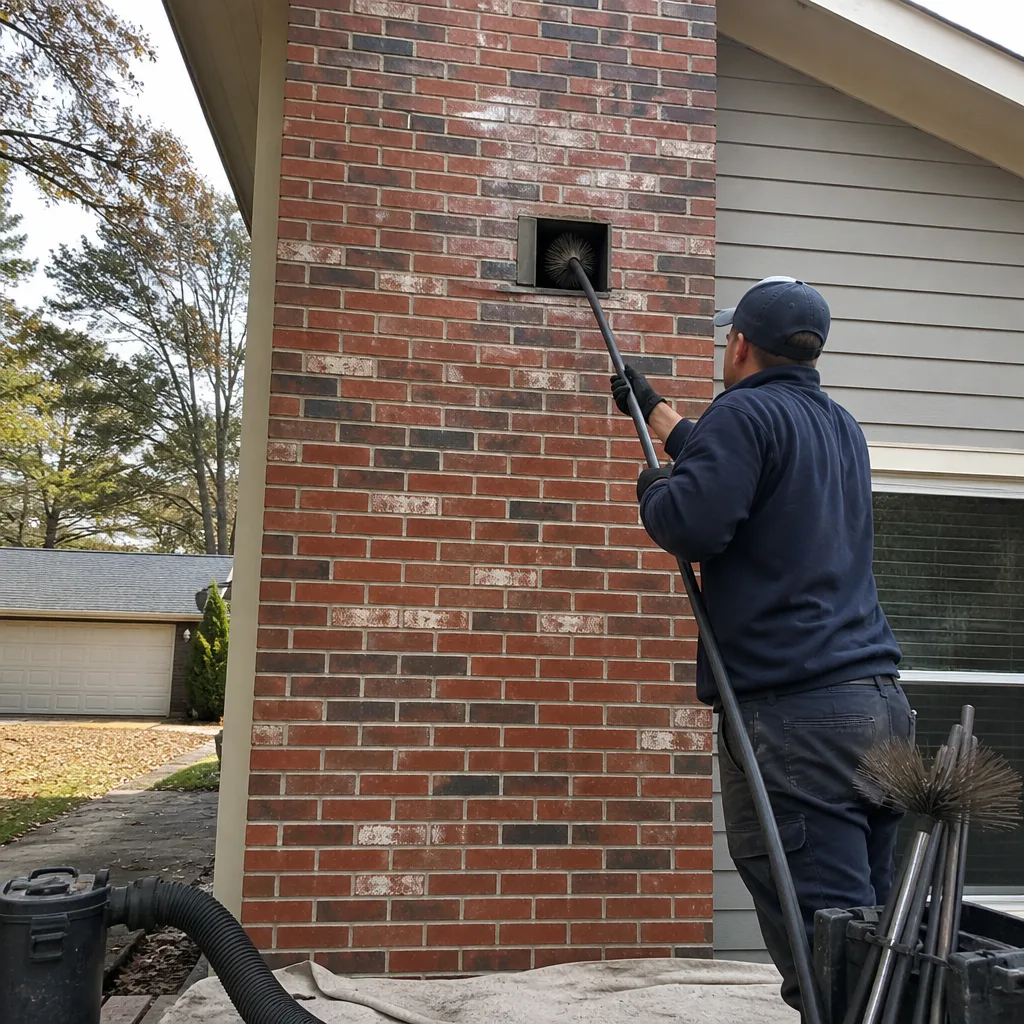
- Chimney sweeping: Removing creosote and soot from the flue interior using brushes, rods, or rotary cleaning equipment. No permit needed, ever.
- Level 1 and Level 2 inspections: Visual examinations of accessible portions of the chimney, with or without video scanning equipment.
- Firebox cosmetic repair: Patching minor surface cracks in the firebox refractory panels when the structural integrity of the firebox isn’t compromised. If the firebrick is still sound and you’re just addressing hairline surface cracks, you’re typically fine without a permit.
- Chimney cap replacement: Swapping out a damaged cap for a new one of the same type and size. If you’re changing the cap style or altering the flue termination configuration, that changes the calculus – more on that below.
- Damper repair or replacement: Fixing or replacing a throat damper or top-sealing damper when the chimney structure itself isn’t being modified.
That said, “permit-exempt” doesn’t mean “unregulated.” Even permit-exempt work should be done to NFPA 211 standards, which Georgia has adopted in its residential building code. A chimney sweep in Marietta who skips the permit-exempt work and does it poorly is still creating a fire hazard. The code applies even when the permit requirement doesn’t.
What Work Triggers a Permit Under IRC Chapter 10
Now for the work that does require a permit. Georgia adopts the International Residential Code (IRC) statewide, and Chapter 10 of the IRC governs chimneys and fireplaces. When repair work changes the structure, materials, or function of the chimney system, a building permit from Cobb County or the City of Marietta is generally required.
Permit-required chimney work includes:
- Flue liner replacement or relining. Whether you’re installing a stainless steel liner from DuraFlex or doing a cast-in-place liner, this is structural work that alters the chimney’s exhaust pathway. It requires a permit.
- Firebox rebuilds. If the firebox refractory panels are cracked through and the firebox needs to be rebuilt with new firebrick and refractory mortar, that’s structural masonry work. Permit required.
- Chimney crown reconstruction. Replacing the concrete crown at the top of the chimney involves demolition and new construction. Permit required.
- Masonry repointing beyond cosmetic work. If you’re cutting out and replacing mortar joints to restore structural integrity (not just filling surface cracks), most Georgia jurisdictions treat this as structural repair. In Cobb County, the building official has the discretion to require a permit for any masonry work that affects structural stability.
- Chimney rebuilds. Tearing down and rebuilding all or part of the chimney stack is major structural work. Permit required, and an inspection will be scheduled.
- Modifying the flue termination. Changing the chimney cap configuration, adding a second flue, or altering the termination height can trigger a permit because it affects the appliance’s draft characteristics.
Here’s the part most homeowners don’t realize: the permit isn’t just paperwork. When a permit is pulled for chimney repair in Marietta or Cobb County, the work gets inspected by a county or city building inspector. That inspector verifies the work complies with IRC Chapter 10, which means clearances, materials, and installation methods all get checked. A contractor who does permitted work is agreeing to have their work judged by someone other than the homeowner. A contractor who avoids permits is avoiding that scrutiny – and you have to ask why.
At Ashby Chimney Marietta, we tell homeowners exactly which category their repair falls into before any work begins. If it needs a permit, we say so and we factor the permit application and inspection scheduling into the written price. Nothing about that process is hidden. That’s the Kingswell Way: say the price, show up in the window, leave it cleaner, put the guarantee in writing, come back if it fails.
NFPA 211 Inspection Levels: Level 1, Level 2, and Level 3 Explained
When someone says “chimney inspection,” they’re usually describing a quick look with a flashlight. But NFPA 211 – the standard that governs chimney inspection and maintenance in the United States – defines three distinct levels of inspection. Each level authorizes the technician to do different things and reach different conclusions. Understanding the difference matters because it determines what a technician can legitimately recommend.
Level 1 Inspection: This is the annual or routine inspection. It’s a visual examination of the readily accessible portions of the chimney interior and exterior. The technician looks at the flue, the firebox, the damper, the cap, and the exterior masonry – everything that can be seen without special equipment or invasive access. A Level 1 inspection is appropriate when the chimney is being used under the same conditions as before, with the same appliance, and no changes have been made. This is what accompanies most chimney inspections in Marietta.
Level 2 Inspection: This is required when the chimney’s use changes. If you’re buying or selling a home, if the property has transferred ownership, if you’ve changed fuel types, if the chimney has been damaged by a structural event or weather, or if you’ve relined the flue – a Level 2 is the standard. It includes everything in a Level 1 plus video scanning of the flue interior, inspection of accessible attics, crawlspaces, and basements, and examination of the chimney’s connection to the appliance. A Level 2 inspection is what insurance companies typically expect after a chimney fire or storm damage claim.
Level 3 Inspection: This is the invasive inspection. It’s required when a Level 1 or Level 2 suggests a hidden hazard that can’t be evaluated without removing components. A Level 3 might involve opening up a section of the chimney chase, removing drywall, or dismantling part of the firebox. It’s the inspection that happens when the technician needs to see what’s behind the surface. Level 3 inspections are rare, and they should always be justified in writing before any destructive access begins.
Why this matters for permits: a Level 1 inspection authorizes a technician to recommend routine maintenance. A Level 2 inspection authorizes recommendations about liner condition, hidden clearances, and code compliance based on actual video evidence. A Level 3 authorizes structural conclusions. If a technician is recommending major structural work – a new liner, a firebox rebuild – they should be basing that recommendation on a Level 2 or Level 3 inspection, not a quick visual once-over. We’ve seen homeowners in Marietta get quoted $4,000 liner replacements based on nothing more than a flashlight look at the flue. That’s not how it should work. The evidence should be on the screen, and you should see it for yourself.
How Inspection Levels Affect Insurance Claims and Home Resale
If you ever file a homeowner’s insurance claim involving your chimney, the paperwork from the inspection is going to matter. Insurance adjusters in Georgia generally accept NFPA 211 as the governing standard, which means they’ll want to see a Level 2 inspection report with video documentation if the claim involves a chimney fire, water damage from a failed crown, or smoke damage from a cracked liner.
The reverse is also true. If your chimney has a problem and you can’t produce documentation showing it was inspected and maintained, the insurance company may deny the claim on the grounds of neglect. A chimney that’s been swept annually with Level 1 inspections on file is in a different position than a chimney that’s been ignored for a decade.
For home resale in Marietta – which has been one of the most active real estate markets in metro Atlanta for years – a chimney’s inspection history has become a negotiation point. Buyers’ inspectors now routinely flag chimneys for Level 2 evaluation before closing. If the seller can’t produce recent fireplace repair documentation or a clean inspection report, the deal either stalls or the seller eats a concession.
And here’s where permits come back into the picture. If you’re selling a home in Marietta and the buyer’s inspection finds evidence of unpermitted chimney work – a relined flue with no permit on file, a rebuilt firebox with no inspection record – that’s a disclosure problem. Georgia’s seller disclosure requirements don’t specifically call out chimney permits, but a buyer’s lender may flag unpermitted structural work during the appraisal, and the buyer can walk or demand a price reduction. In a market this competitive, an unpermitted chimney repair from five years ago can cost you real money at closing.
Documentation to Request Before and After Chimney Work
Most homeowners don’t ask for documentation until something goes wrong. By then, the contractor is usually gone and the documentation doesn’t exist. Here’s what to request before, during, and after any chimney work in Marietta.
Before work begins:
- A written scope of work. What exactly is being done? Cleaning? Inspection? Repair? Which level of inspection, and what does it include?
- A written price. Not an estimate range, not a verbal ballpark. A written price. The Ashby Chimney Marietta policy is simple: the number on the invoice matches the number quoted at the door. No surprises.
- Permit determination in writing. Ask: does this work require a permit in Cobb County or the City of Marietta? Get the answer in writing, not verbally. A contractor who says “nah, you don’t need a permit for this” should be willing to put that in an email.
During the work:
- Video or photo documentation. For any inspection that leads to a repair recommendation, insist on seeing the video or photos yourself. A Level 2 inspection with a camera that shows the flue interior will either confirm the problem or raise questions. You shouldn’t be asked to approve a $2,500 repair without seeing the evidence.
- Material identification. If a liner is being installed, ask what brand and model. We use products from recognized chimney-trade manufacturers like DuraFlex, Olympia Chimney, and Copperfield – not whatever happened to be in the van. The manufacturer’s documentation should be available.
After the work is complete:
- A written guarantee. Every repair at Ashby Chimney Marietta comes with a written guarantee. If a covered repair fails within the guarantee period, we return at no charge. That’s the 365-Day Done Right Promise, and it’s included with every job – not sold as an add-on.
- Permit closeout documentation. If a permit was pulled, the county or city will close it out after final inspection. Ask for the permit number and the closeout confirmation. Keep it with your home records.
- Inspection report. A proper Level 1 or Level 2 inspection should result in a written report. Keep it. It’s your proof of maintenance for insurance and resale purposes.
If a contractor can’t or won’t provide any of these documents, that’s not a red flag – that’s a stop sign. A legitimate company in Marietta that does permitted work and follows NFPA 211 has no reason to withhold documentation. The paperwork is part of the job.
Homeowner Liability for Unpermitted Chimney Work
Here’s the scenario we hear about too often: a homeowner hires a contractor to reline a flue. The contractor says a permit isn’t needed. The work gets done. Three years later, the homeowner sells the house. The buyer’s inspector flags the unpermitted liner. The buyer’s lender won’t close until the work is permitted retroactively or the liner is replaced. The seller is now paying for two liners and losing negotiating leverage at the worst possible time.
The liability for unpermitted structural chimney work sits with the homeowner, not the contractor. The contractor took the money and disappeared. The homeowner is left with the unpermitted work attached to the property. In Georgia, the permit is attached to the address, not the person who did the work. When you sell, you’re selling the liability along with the house.
There’s also the insurance angle. If a fire starts in an unpermitted, uninspected chimney and the insurance company determines the work was done without permits and without a final inspection, the claim can be denied. Policies typically exclude damage caused by unpermitted work. That exclusion doesn’t require the insurance company to prove the work was defective – just that it was unpermitted.
In Marietta specifically, where the housing stock runs older and a significant number of homes were built before modern chimney codes, the permit question comes up constantly. An original 1970s chimney that’s never been touched is one thing – it’s grandfathered. But a chimney that was “repaired” in 2019 without a permit is a different story. The repair is recent enough that it falls under current code, and the lack of a permit is a liability you inherit.
The solution isn’t complicated. Before you approve structural chimney work, ask the contractor to confirm in writing whether a permit is required. If the answer is yes, make sure the permit gets pulled and the work gets inspected. If the answer is no, get that in writing too. Either way, the documentation protects you.
Common Mistakes to Avoid
- Assuming a chimney sweep is licensed. Georgia has no chimney contractor licensing requirement. Anyone can call themselves a sweep. Ask about training, certifications, and years in business. Ashby Chimney Marietta has been operating since 2002, and our techs follow NFPA 211 standards on every job.
- Approving a liner replacement without seeing the video. If a contractor tells you the flue liner is cracked and needs replacement, ask to see the Level 2 inspection footage. A cracked liner should be visible on camera. If they can’t show you the evidence, get a second opinion.
- Letting a contractor do structural work without a permit. In Cobb County and Marietta, structural chimney repairs – liner replacement, firebox rebuilds, crown reconstruction – require a permit. If the contractor says otherwise, get it in writing. Better yet, call the Cobb County building department and ask directly.
- Filing an insurance claim without a Level 2 inspection report. Insurance adjusters in Georgia follow NFPA 211. A Level 2 inspection with video documentation is what they expect to see for any chimney-related claim. A Level 1 won’t cut it for storm damage or smoke damage claims.
- Skipping annual Level 1 inspections. In Marietta’s climate – hot, humid summers and cold, wet winters – masonry chimneys take a beating. Freeze-thaw cycles crack mortar joints. Humidity accelerates spalling. An annual Level 1 inspection catches these problems early, before they become structural.
- Choosing a contractor based on price alone. The cheapest chimney sweep in Marietta might be the cheapest for a reason. No insurance, no training, no written guarantee, no permit compliance. Or maybe just a guy with a brush who’ll be gone next season. The Kingswell Guarantee exists because homeowners have been burned by exactly this – we put the promise in writing before we start.
- Keeping no records. Every inspection report, every permit closeout, every written guarantee should go in a file and stay with your home records. When you sell, that file is worth real money.
When to Call a Professional
If you’ve just moved into a Marietta home and have no record of when the chimney was last inspected, call for a Level 2 inspection before you light a fire. Our Chimney Sweep Maintenance Checklist for Marietta Homeowners can help you track what’s due. If you see crumbling mortar, spalling brick, or rust on the cap, call before water damage gets worse. If you smell a campfire smell in the house after a rain, there’s moisture in the flue and it needs attention. If you’re buying or selling, a Level 2 is the standard for the transaction. And if a contractor recommends structural work and won’t show you the video evidence or discuss permits in writing, call someone else and get a second opinion. Ashby Chimney Marietta offers free estimates in Marietta. Call (478) 796-8742 and a live person answers, any time of day or night.
Frequently Asked Questions
A standard chimney sweep in Marietta typically runs between $180 and $350 depending on the chimney’s condition, height, and accessibility. If a Level 2 inspection with video scanning is added, you’re generally looking at $350 to $600 for the combined service. If the sweep reveals creosote buildup beyond what a standard cleaning can address, or if the flue needs repairs, that’s additional and should be priced in writing before any work proceeds. Call (478) 796-8742 for an exact quote – estimates are free.
You should make that decision only after seeing the Level 2 inspection video yourself. A cracked clay tile liner doesn’t always require immediate replacement – the severity and location of the cracking matter, as does the type of appliance venting through the flue. But if the cracking allows heat or combustion gases to reach combustible materials or if the liner has separated, replacement with a stainless steel liner from a recognized manufacturer like DuraFlex is the code-compliant fix. Whatever the recommendation, the evidence should be on screen, not just in the contractor’s word. Call (478) 796-8742 and we’ll show you exactly what we’re seeing.
NFPA 211 says chimneys should be swept when there’s 1/8 inch or more of creosote buildup, regardless of how long it’s been since the last cleaning. For a wood-burning fireplace in Marietta used regularly through the winter, that typically means once a year. If you burn more than two cords of wood per season or burn unseasoned wood, you may need it twice. Gas fireplaces need less frequent cleaning but should still get a Level 1 inspection annually. Call (478) 796-8742 to schedule – a live person answers 24/7.
Creosote keeps building up. Water keeps getting in through cracks in the crown or mortar. Spalling continues. The flue liner keeps deteriorating. None of these problems announce themselves until they’re expensive, and several of them – creosote buildup and liner cracks – are fire hazards. In Marietta’s freeze-thaw climate, skipped inspections mean small water intrusion problems become $2,000 crown rebuilds instead of $200 flashing repairs. The annual inspection is the cheapest chimney maintenance you’ll ever pay for. Call (478) 796-8742 for a free estimate.
It depends on the cause of the damage. Storm damage, lightning strikes, and sudden events like a chimney fire are typically covered. Gradual deterioration – crumbling mortar, spalling brick, rusted caps – is generally considered maintenance and is excluded. What matters for coverage is documentation: a Level 2 inspection report with video evidence shows the adjuster exactly what happened and when. Without it, you’re negotiating from a weak position. Call (478) 796-8742 and we’ll document what we find.
A home inspector’s chimney check is a visual once-over that takes about ten minutes and identifies obvious issues from the ground or the roof. A Level 2 chimney inspection by a chimney professional includes video scanning of the flue interior, examination of the firebox and damper, inspection of the crown and cap from the roof, and evaluation of the connection between the appliance and the chimney. The home inspector tells you if something looks wrong. The chimney professional tells you what’s wrong, how bad it is, and what it costs to fix. For a Marietta home purchase, you want both. Call (478) 796-8742 – our chimney inspections in Marietta include full written reports.
The Bottom Line
Georgia makes it easy to become a chimney contractor and hard to know if the one you hired knows what they’re doing. The work that matters – the structural repairs – requires permits and inspections under IRC Chapter 10, and the homeowner carries the liability when those permits are skipped. Your defense is documentation: written prices, written guarantees, Level 2 inspection video, permit records, and a contractor who answers the phone 24/7. For more guides & resources, visit our blog. At Ashby Chimney Marietta, that’s how we’ve worked since 2002. We say the price before we start, we put the guarantee in writing when we finish, and if something isn’t done right, we come back and make it right. Call (478) 796-8742 for a free estimate.
Written by Nathan Corliss, Owner at Ashby Chimney Marietta, serving Marietta since 2002.
See the difference
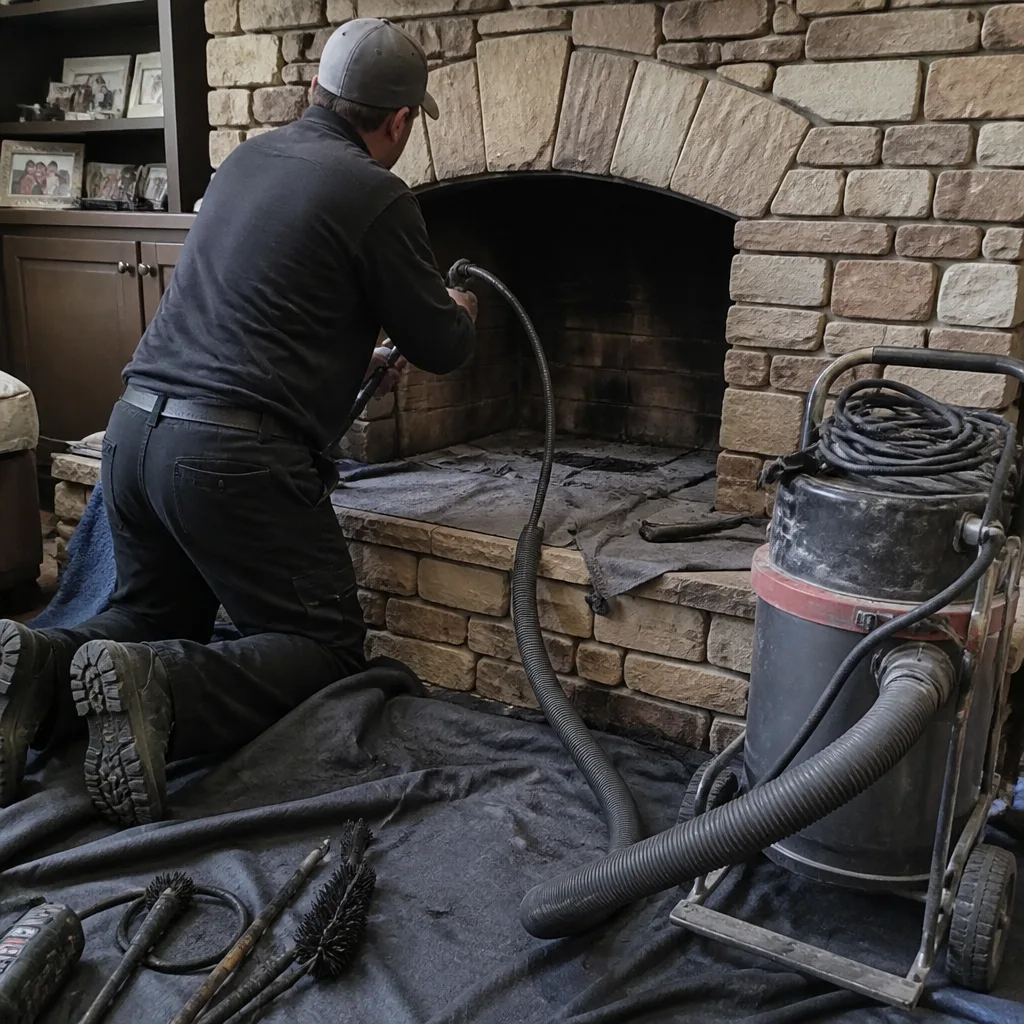 Before
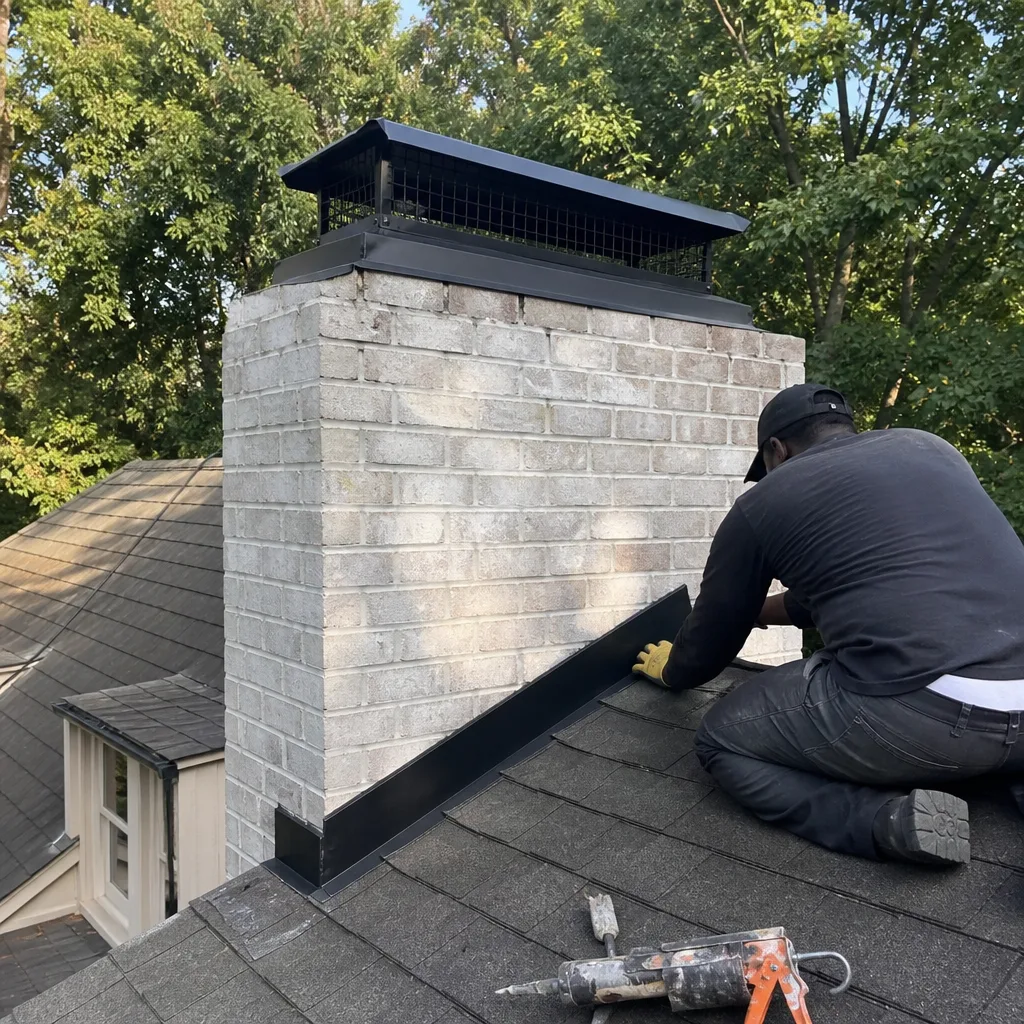 After
After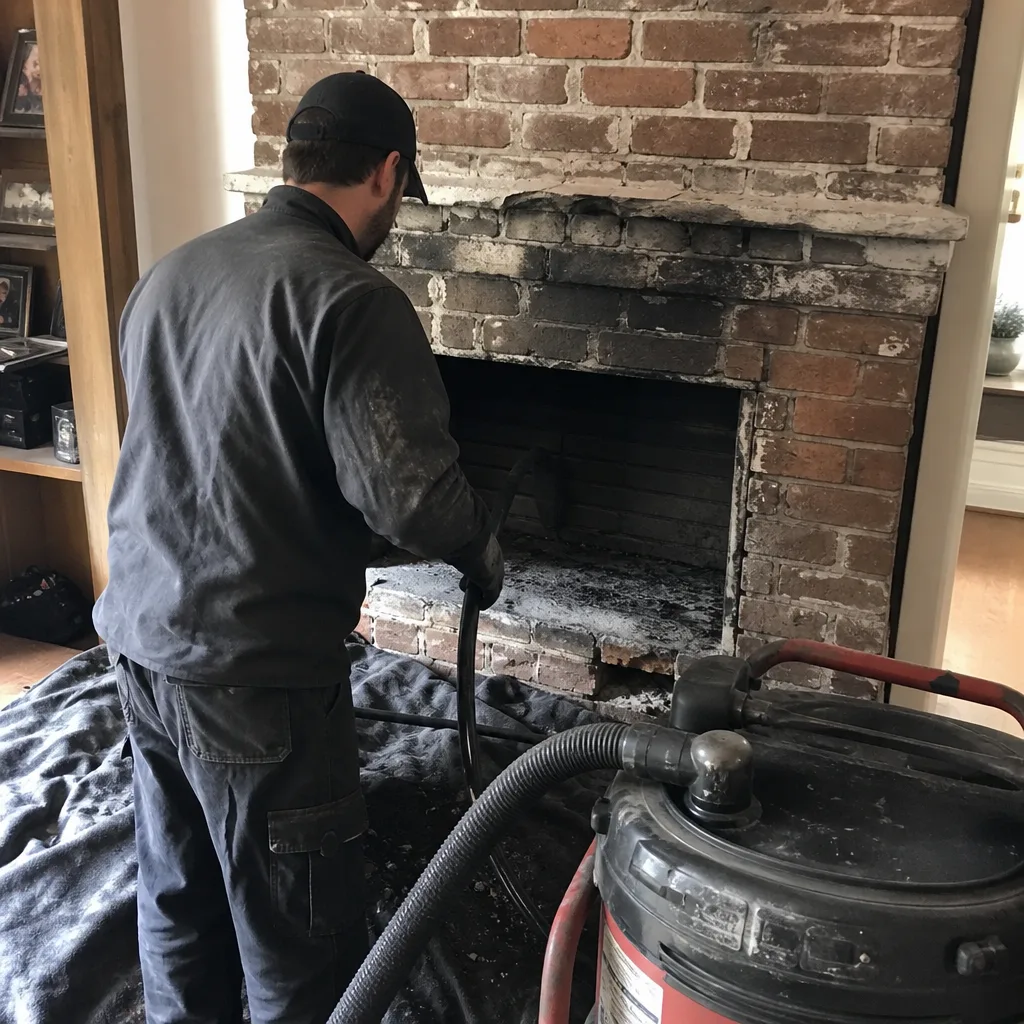 Before
 After
After Before
 After
After