
Last updated October 15, 2026
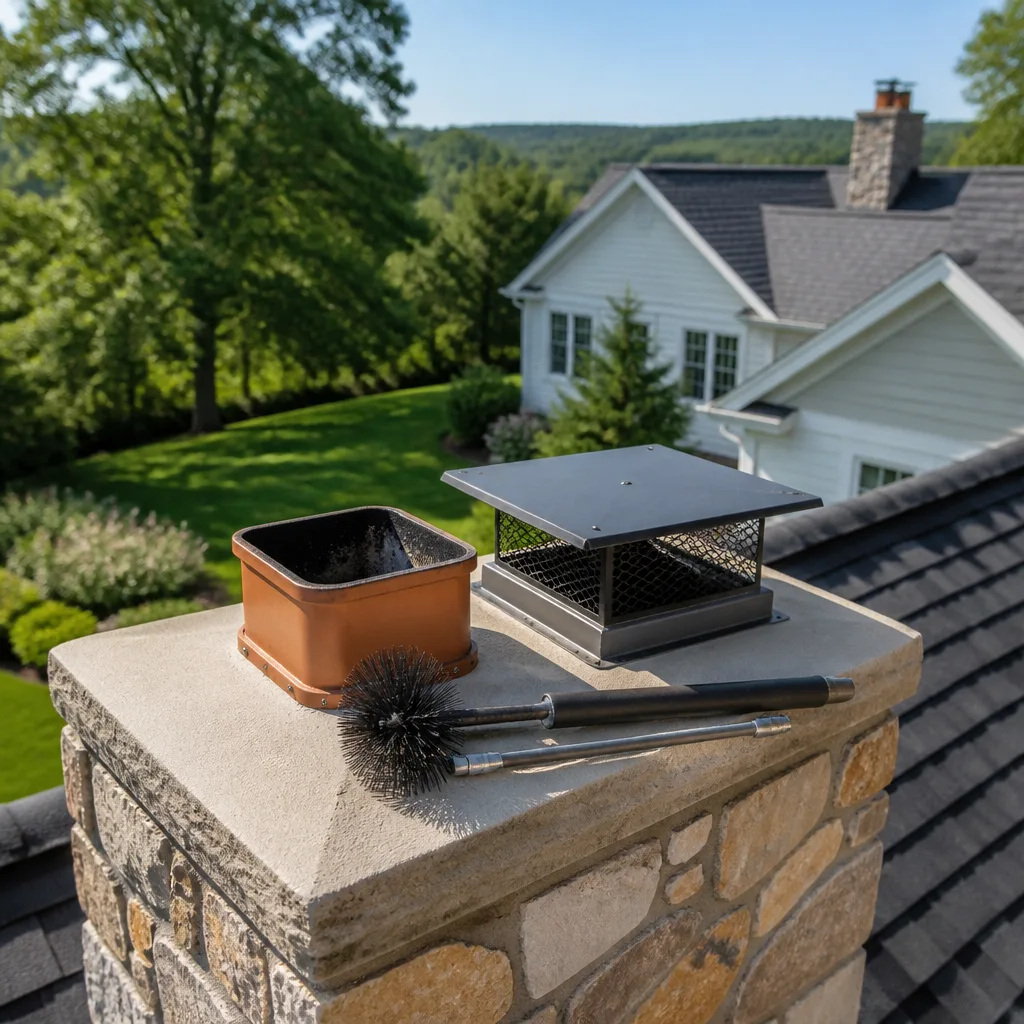 Sweep & inspection
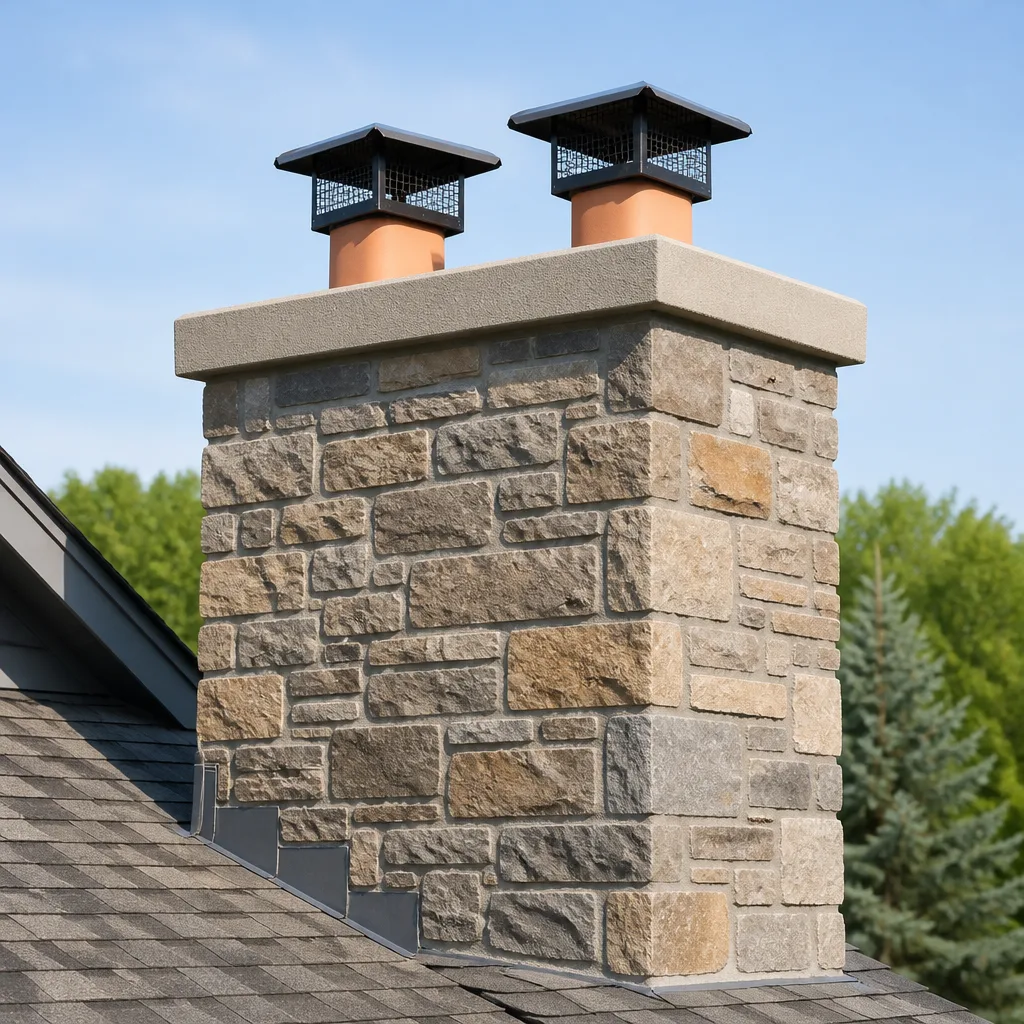 Caps & crowns
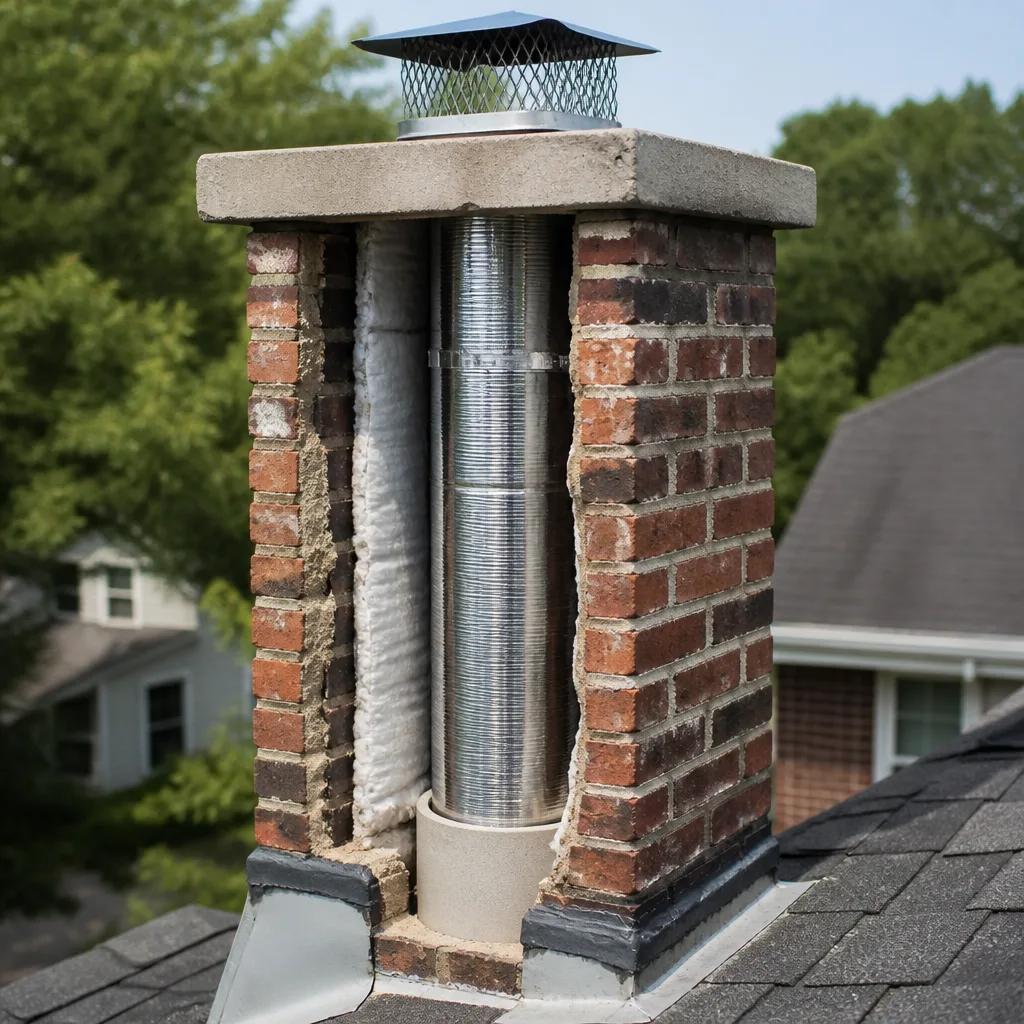 Flue relining
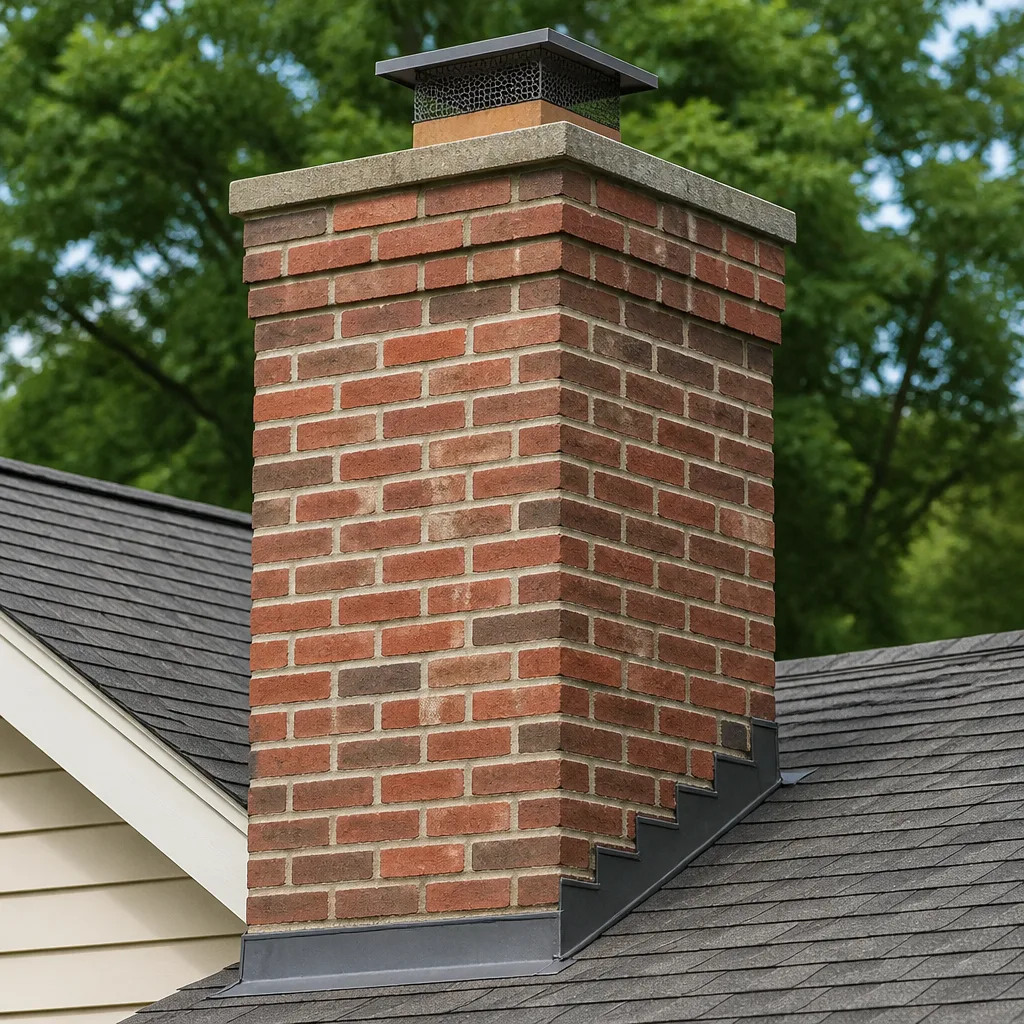 Masonry repair
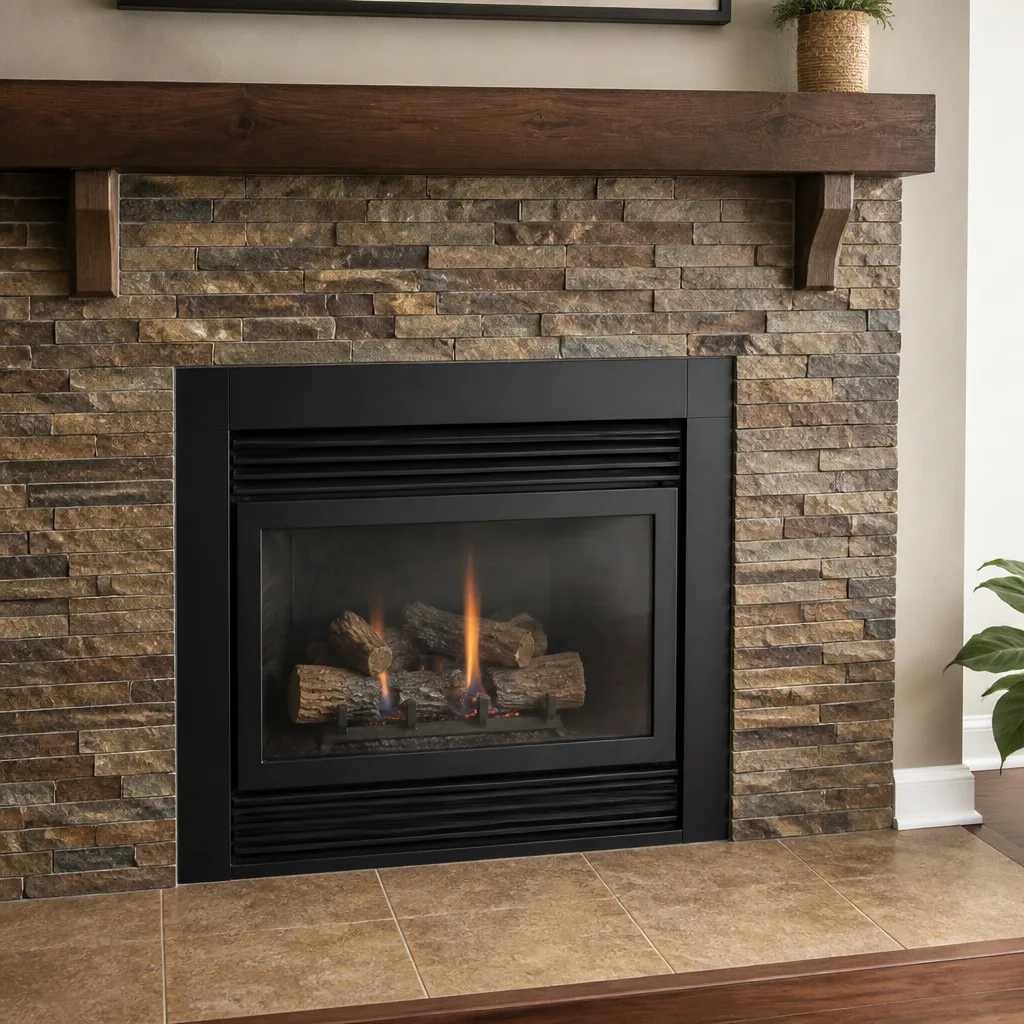 Gas fireplace service
Level 1 sweep and inspection to the NFPA 211 annual standard - flue, crown, cap, and flashing checked and photographed
Chimney sweep logs do not sweep chimneys. They loosen some creosote - which then falls where a brush and vacuum still have to collect it.
Seasonal Chimney Cleaning Care for Marietta: Year-Round Homeowner’s Guide
If you only light your fireplace on cold weekends, you might think your chimney barely needs attention. The opposite is usually true: sporadic, low-heat fires are the fastest way to build the stage-two creosote that’s hardest to remove. Marietta’s mild climate means most fireplaces sit idle nine months out of the year, and that pattern of light, intermittent use creates a specific set of problems most generic chimney advice never addresses. This guide walks through what actually happens inside your flue during each season here in Marietta, what to check between professional cleanings, and how to time your maintenance so you’re never caught without a working fireplace on the first cold night of fall.
Quick Answer
Because Marietta’s fireplace season is short and scattered across cool nights from October through March, the smartest approach is a professional chimney sweep in late September before your first fire, followed by two quick homeowner checks during winter and one moisture inspection in late spring. Skipping the pre-season cleaning is riskier here than in colder climates because infrequent, low-temperature fires produce more concentrated creosote deposits per burn than daily wood-stove use ever does. A thorough cleaning and inspection in Marietta typically costs between $180 and $340, takes under two hours, and gives you a written report you can use to plan any needed repairs before burning season starts.
Styles & brands we work with
Table of Contents
- Why Marietta’s Climate Creates a Different Chimney Problem
- The Shoulder-Season Burn Pattern: October and March
- The Summer Off-Season Checklist for Georgia Humidity
- Optimal Timing: Why Late September Beats Generic Spring Advice
- Managing Cold-Snap Fires Without a Cold-Flue Draft Danger
- What to Do If You Missed Your Pre-Season Cleaning
- Common Mistakes to Avoid
- When to Call a Professional
- Frequently Asked Questions
Why Marietta’s Climate Creates a Different Chimney Problem
Marietta sits in a climate band that gets just enough cold weather to justify a fireplace but not enough to make it a daily habit. We average somewhere around 90 to 120 fireplace-worthy days per year, clustered in short bursts from November through February, with stray cool evenings in October and March. Compare that to a home in Minnesota or upstate New York, where a wood stove might burn continuously from October to April. On the surface, fewer fires sounds like less maintenance. In practice, it’s the opposite for one specific reason: creosote formation accelerates in low-temperature, low-oxygen burns.
Here’s what happens. When you light a fire only occasionally, the chimney never reaches a sustained high operating temperature. The flue stays cool, and the smoke moving through it condenses more readily against the clay or steel liner. That condensate is creosote, and the cool-flue, intermittent-fire pattern produces what chimney professionals call stage-two creosote: a flaky, tar-like coating that’s significantly harder to remove than the powdery stage-one soot you’d produce with hot, regular fires. In our weather, that stage-two buildup layers itself over multiple seasons until it becomes a legitimate chimney fire risk.
There’s a second Marietta-specific factor: humidity. Warm, moist air from spring through fall keeps creosote damp. Damp creosote is more acidic and more corrosive to mortar joints, flue tiles, and steel liners than dry creosote. So the same deposit that might sit inert in a dry western climate works on your chimney year-round here.
If you’re new to the area, or new to owning a fireplace in Cobb County, this pattern matters. The fireplace that looks fine in August may have three years of concentrated stage-two creosote hidden above the damper. That’s why a pre-season Chimney Sweep in Marietta is more than a ritual here; it’s the difference between a working fireplace and a slow-building fire hazard.
The Shoulder-Season Burn Pattern: October and March
October and March are the months that give Marietta homeowners the most trouble, and most people don’t see it coming. A cool snap drops overnight temperatures into the 40s, you light a fire on three consecutive evenings, and then it warms back up and the fireplace sits idle for another three weeks. Repeat this a handful of times each year and you’ve created the exact conditions that degrade chimney liners faster than sustained northern winters.
Why? Because each shoulder-season burn is a short, low-intensity fire. The flue never gets hot enough to fully evacuate moisture from the smoke. Partial combustion products condense on the relatively cool upper flue walls. Then, instead of burning again the next day and at least partially drying or burning off that fresh deposit, the fireplace goes cold. Moisture from Marietta’s ambient air sets into the creosote, and the acidic compounds start working on whatever surface they’re stuck to. Over years, this cycle eats at mortar joints between flue tiles and accelerates rust on steel liners.
There’s also a mechanical issue with shoulder-season fires: cold-flue draft reversal. We’ll get into this more in the cold-snap section, but a flue that’s been sitting in 55-degree air holds a column of heavy, cool air. Light a fire and that air wants to sink, not rise, until the flue warms up. In a short October fire, you may never fully establish a good draft before the fire dies down, meaning smoke and creosote linger in the flue longer than they should.
The practical takeaway: if you burn at all in October or March, those fires count toward your creosote accumulation the same as a January fire would. A chimney that’s cleaned in late September and burned only lightly through the shoulder seasons still needs inspection before the next fall. And if you notice a persistent smoky smell in the house during spring rains, that’s often damp creosote; it’s worth a Chimney Inspection in Marietta before you light another fire.
The Summer Off-Season Checklist for Georgia Humidity
Marietta summers throw three things at your chimney: humidity, insects, and disuse. All three are manageable with a handful of checks you can do yourself in about half an hour. Here’s the off-season list we walk our own customers through between May and September.
- Inspect the damper plate and seat. If you have a traditional throat damper, open and close it a few times in June or July. Humidity causes cast-iron dampers to seize or rust. A damper that won’t fully close lets conditioned air escape all summer and gives wasps a highway into the flue. If it sticks or looks rusted around the edges, note it for your next cleaning visit or repair call.
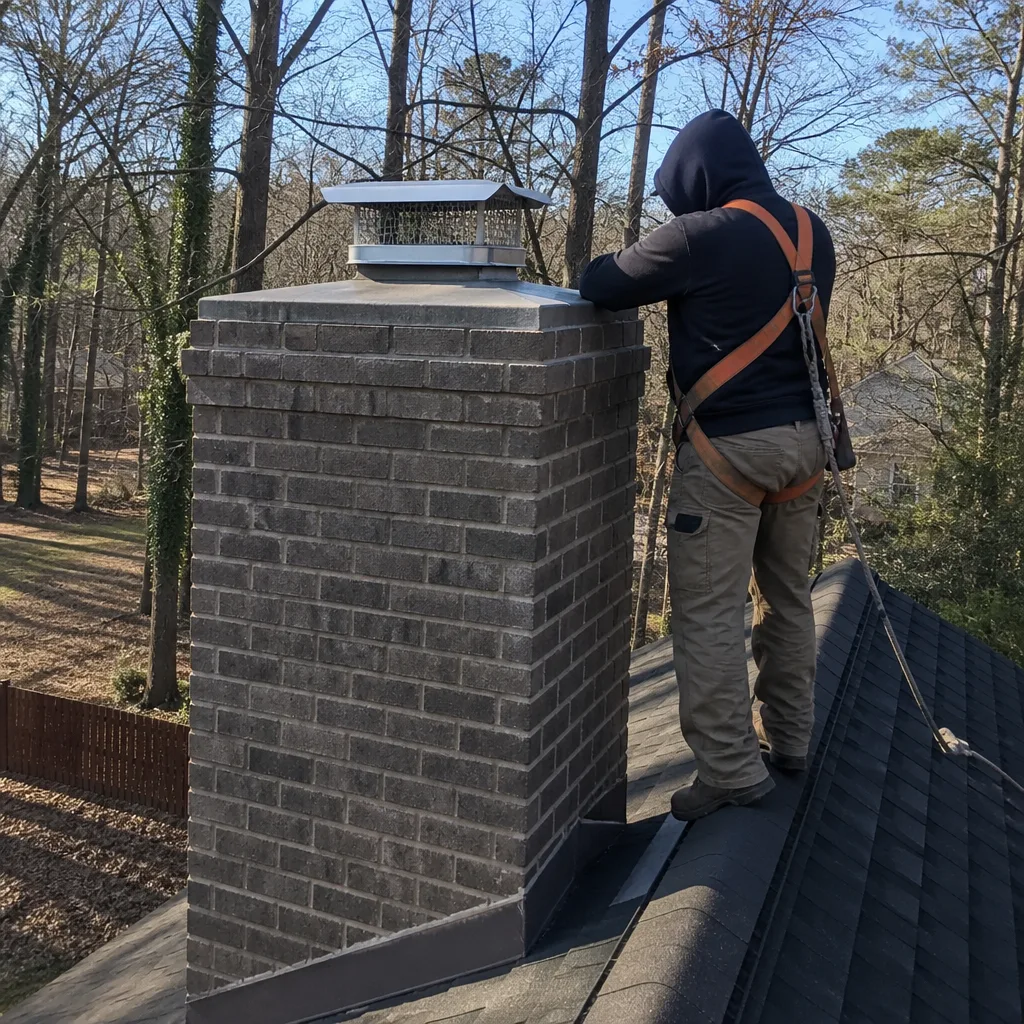
- Check the chimney cap and chase cover. From ground level with binoculars, look at the top of your chimney. The cap should sit straight, with mesh screens intact. A missing or bent cap is an open invitation for squirrels, chimney swifts, and rain. If you have a factory-built fireplace with a metal chase, check for rust spots on the chase cover; these rust through faster in Georgia’s humid summers than anywhere else in the country.
- Feel for dampness in the firebox. After a heavy summer rain, reach into the firebox and feel the back wall and floor. If it’s damp, water is getting in somewhere above: a cracked crown, failed flashing, or a porous brick. Don’t ignore this. Water entry is the number one cause of chimney deterioration in the South, and every wet season it goes unaddressed compounds the damage.
- Check for pest evidence. Look for droppings, nesting material, or dead insects in the firebox. Chimney swifts are protected by law and nest in chimneys from May through August; if you hear bird sounds, leave them alone until they migrate, then have the flue cleaned and a proper cap installed. Wasps and mud daubers are a different matter: they build nests in uncapped flues all summer and can partially block the flue by fall.
- Schedule your pre-season cleaning. September fills up for every reputable chimney company in Marietta. Booking in July or August means you get your preferred date and you’re done before the scramble starts. It also gives you time to address any repairs the sweep discovers before your first fire.
The summer months are when moisture does its worst work in a South Georgia chimney. A small crack in the crown that leaks one hard August storm can saturate a section of flue tile, and that winter’s freeze-thaw cycle does the rest. When a customer shows us spalling brick or a crumbling flue tile in October, the damage almost always traces back to a summer water entry problem that was never checked.
Optimal Timing: Why Late September Beats Generic Spring Advice
The standard advice you’ll hear from national chimney associations is “have your chimney swept in spring or fall.” That’s useful general guidance, but it’s not specific enough for Marietta. Here’s our recommendation, based on 20-plus years of working on chimneys in Cobb County: get your cleaning and inspection done in late September, before the first fire of the season.
There are three reasons the pre-season timing wins for this climate.
First, the creosote that matters most is the creosote sitting in your flue right now, not the creosote from last winter. A spring cleaning removes last season’s buildup, but it doesn’t protect you from what accumulated during the spring, summer, and early fall. In a humid climate, creosote left in place through a Georgia summer becomes damp, acidic, and more corrosive. Cleaning in late September removes the full year’s accumulation at the point when you’re about to use the fireplace again. That’s the cleaning that actually reduces your chimney fire risk during burning season.
Second, September timing gives you a repair window. If your sweep finds a cracked flue tile, a deteriorating mortar joint, or a rusted damper, you need time to get it fixed before November. A spring cleaning surfaces those same issues, but many homeowners put off repairs through the summer and forget about them until the first cold night, when every chimney company in Marietta is booked solid. A September cleaning puts you at the front of that repair line.
Third, September in Marietta is dry and mild, which makes for better inspection conditions. A flue that’s been baking in the summer sun is easier to assess than one that just absorbed three weeks of April rain. Moisture hides in cracks and absorbs chimney camera light differently, and a technician inspecting a dry flue gets a more accurate picture of its condition.
The one exception: if you use your fireplace heavily through the holidays and into February, you may warrant a second mid-season sweep in January. But for the vast majority of Marietta households that burn occasionally on weekends and cold nights, a single late-September cleaning is the right schedule. If you’re dealing with a repair issue, Fireplace Repair in Marietta is best scheduled right after that pre-season sweep, when the flue is clean and the problem is visible.
Managing Cold-Snap Fires Without a Cold-Flue Draft Danger
Marietta gets about a dozen nights a year where temperatures drop below freezing. Those nights are often the only time some homeowners light a fire at all, which means the flue and firebox are cold-soaked from weeks of disuse. Lighting a fire in those conditions isn’t dangerous by itself, but it does require a little patience and awareness of what’s happening in the flue.
A cold flue holds a column of dense, heavy air. When you light a fire, the heat from the kindling needs to overcome that cold air mass before smoke has anywhere to go. If you light too much too fast, smoke backs up into the living room. If you light too little, the fire smolders and you produce the low-temperature, creosote-rich smoke we talked about earlier. Neither is what you want.
The fix is straightforward, and it works in any fireplace in Marietta’s cold-snap conditions.
- Prime the flue before you light the main fire. Roll a sheet of newspaper into a torch, light it, and hold it up inside the firebox near the open damper for 30 to 60 seconds. You’ll feel the draft reverse when the warm air starts rising. This small step is the difference between a clean light and a smoky room.
- Start with dry kindling and small splits. Use wood that’s been split and stacked under cover for at least six months. Wet or green wood never gets hot enough to establish a draft, and it coats the flue with wet soot that turns into stage-three creosote faster than anything else.
- Build the fire gradually over 20 to 30 minutes. Add progressively larger pieces as the flame establishes. Avoid the temptation to stack a tall fire and walk away; that’s how you get a cold flue, a wet fire, and a house full of smoke all at once.
- Don’t close the damper until the fire is completely out. Closing a damper on warm coals traps carbon monoxide in the firebox and forces whatever smoke remains through any gap in the damper seals. Crack the damper overnight if you have to, and close it in the morning.
One more thing about cold snaps in modern Georgia homes: many houses in Marietta are built tight, with new windows, good insulation, and sealed crawlspaces. That’s great for your power bill, but it means your fireplace competes with your HVAC system for air. Run your kitchen exhaust fan during a fire and you may create negative pressure that pulls smoke out of the firebox. If you notice this happening, crack a window near the fireplace before lighting your next fire. It’s a simple fix that solves most mystery smoke-in-the-room problems.
What to Do If You Missed Your Pre-Season Cleaning
Say it’s early November, the temperature just dropped, and your fireplace hasn’t been cleaned since last season, or maybe longer. You want to use it. Is that safe? The honest answer: it depends on what’s in the flue, and you can’t know that without looking. But there are some practical steps you can take between now and your appointment.
First, do a basic visual check yourself. Open the damper, shine a bright flashlight up into the flue, and look for anything that shouldn’t be there: animal nesting, visible creosote buildup that looks shiny or tar-like, or obstructions. If you see more than about a quarter-inch of creosote, don’t light a fire until it’s cleaned. Creosote at that thickness is combustible and a chimney fire waiting for the right conditions.
Second, keep fires small and hot. If your flue checks out visually and you want to use the fireplace before your cleaning appointment, burn small, hot fires with well-seasoned hardwoods. This minimizes new creosote accumulation and keeps the draft strong. A small, hot fire is always better than a large, smoldering one, especially in a flue that hasn’t been inspected.
Third, limit your use until the sweep gets there. One or two fires a week until your appointment in mid-November is manageable. Burning nightly on a dirty, cold flue is how you turn a $250 cleaning into a $2,500 repair. The math doesn’t work in anyone’s favor.
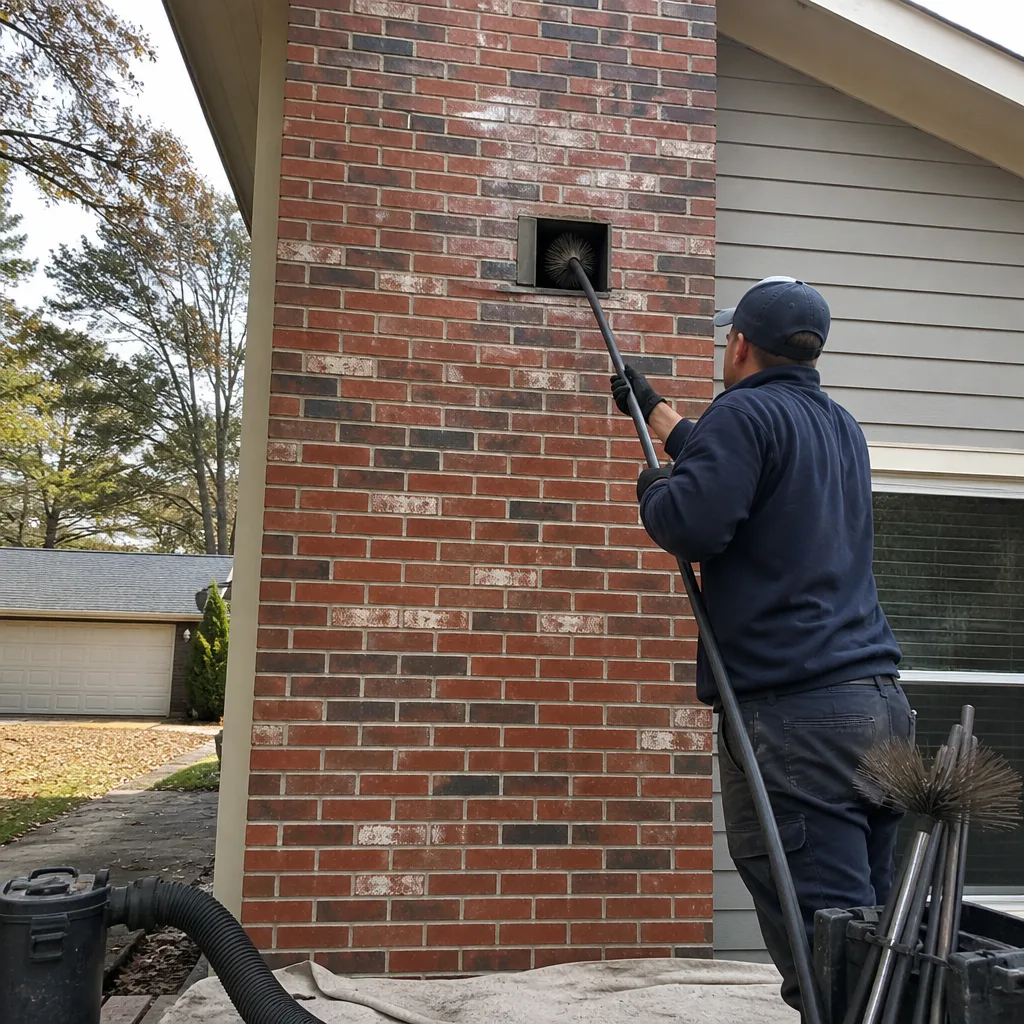
And schedule the appointment now. November is the busiest month of the year for chimney work in Marietta, and many of us book out two to three weeks. Call early, get on the schedule, and use the fireplace conservatively until we arrive. Every Chimney Sweep in Marietta we do includes a camera inspection, so you’ll see the condition of the flue with your own eyes, good or bad.
Common Mistakes to Avoid
- Assuming no fires means no buildup. A fireplace that sits unused still accumulates dust, pest debris, and whatever moisture brings in. More importantly, a flue that was dirty when you stopped using it is still dirty the next season, and that creosote has had a summer to cure and harden.
- Burning the wrong wood. Pine, unseasoned hardwood, and construction lumber all produce heavy, wet smoke that condenses fast in a cool flue. In Marietta’s shoulder-season burn pattern, that’s a recipe for rapid stage-two creosote formation.
- Closing the damper too early. This is the most common habit we see in older Marietta homes. Closing the damper on a bed of warm coals puts carbon monoxide into your living space and forces damp smoke into the flue. Wait until the firebox is cold.
- Ignoring a smoky smell in summer. A strong fireplace smell during humid weather usually means creosote or moisture in the flue. It’s not just a nuisance; it’s a signal that something in the system needs attention before you light another fire.
- Using a chimney sweep who quotes over the phone without looking. No reputable company can tell you what’s inside your flue without seeing it. A phone quote is a guess, and a low guess is how you end up with a price that doubles at the door. We give a written price before any work starts, based on what we actually see.
- Forgetting the cap. In Marietta’s climate, an uncapped or improperly capped chimney is an open water and pest entry point. This one inexpensive component prevents more damage than almost anything else on the system.
When to Call a Professional
Some chimney issues are obvious enough to handle on your own. Others aren’t. Call a professional if you see shiny or tar-like creosote in the flue, if you smell smoke in the house when the fireplace isn’t in use, if you hear animals or see nesting evidence, if water is entering the firebox, or if you haven’t had the flue inspected in more than two years regardless of how little you burn. A camera inspection during a routine cleaning answers most of these questions in one visit. Ashby Chimney Marietta offers free estimates in Marietta, and every appointment includes a written quote before work begins. Call (478) 796-8742 to schedule.
Frequently Asked Questions
A standard chimney sweep in Marietta typically runs between $180 and $340, depending on the chimney’s height, accessibility, and the amount of creosote present. The price includes removal of soot and creosote from the flue, smoke chamber, damper, and firebox, plus a basic visual inspection. If repairs are needed, those are quoted separately. Call (478) 796-8742 for an exact quote, and you’ll get a written price before any work starts.
Once a year, in late September or early October, is the right schedule for most Marietta homes. The National Fire Protection Association recommends annual inspection regardless of use, and our climate’s humidity and irregular burn pattern mean annual cleaning is genuinely warranted, not just a formality. If you burn more than two or three times a week through the winter, you may need a mid-season sweep in January.
You need to see the cracks with your own eyes before you decide. We camera-inspect every flue we clean and show you the footage. Hairline cracks in a clay liner may be fine to monitor; significant cracks, gaps between tiles, or rust-through on a metal liner are safety issues that need repair. We complete liner work using established chimney-trade materials like DuraFlex and HeatShield, and every repair carries a written guarantee. If it fails, we return at no charge.
Creosote builds up in layers. In a climate like Marietta’s, those layers get damp and acidic over the summer, and they harden into a glazed, tar-like coating that’s significantly harder to remove than fresh soot. That glazed creosote can ignite at around 2,000 degrees, and a chimney fire is often contained in the flue but can crack tiles, melt mortar, and spread into the house through gaps. You also miss the chance to catch water damage early, which is the more common and more expensive problem in Georgia.
If you can visually confirm the flue is free of significant creosote and obstructions, you can burn conservatively until a professional cleaning. Keep fires small and hot, use only seasoned hardwood, and don’t close the damper until everything is cold. If you see shiny creosote or you’re not sure what you’re looking at, don’t burn until it’s been inspected. Schedule a Chimney Inspection in Marietta and the technician will tell you exactly where you stand.
Musty fireplace smells in summer usually come from creosote absorbing humidity and releasing odor, or from water entering the flue and sitting in the firebox. Both cause the same thing: a damp, acidic environment that smells like a wet ashtray. The fix starts with a thorough cleaning to remove the odor source, followed by addressing whatever’s letting moisture in, usually the cap, crown, or flashing. After a good sweep, most of that smell disappears within a few days.
The Bottom Line
Marietta’s mild winters and irregular fireplace use create a maintenance pattern that’s easy to underestimate. Light, infrequent fires produce concentrated creosote faster than steady burning, and Georgia’s humidity keeps that creosote active year-round. The simple, evidence-based approach is an annual sweep in late September, a quick summer moisture and pest check, and conservative burning during cold snaps. It’s less work than it sounds, and it’s a fraction of the cost of the repairs that follow neglect. If you want a straightforward answer about your chimney’s condition, we’ll come look at it, price it in writing, and guarantee the work we do.
Written by Nathan Corliss, Owner at Ashby Chimney Marietta, serving Marietta since 2002.
See the difference
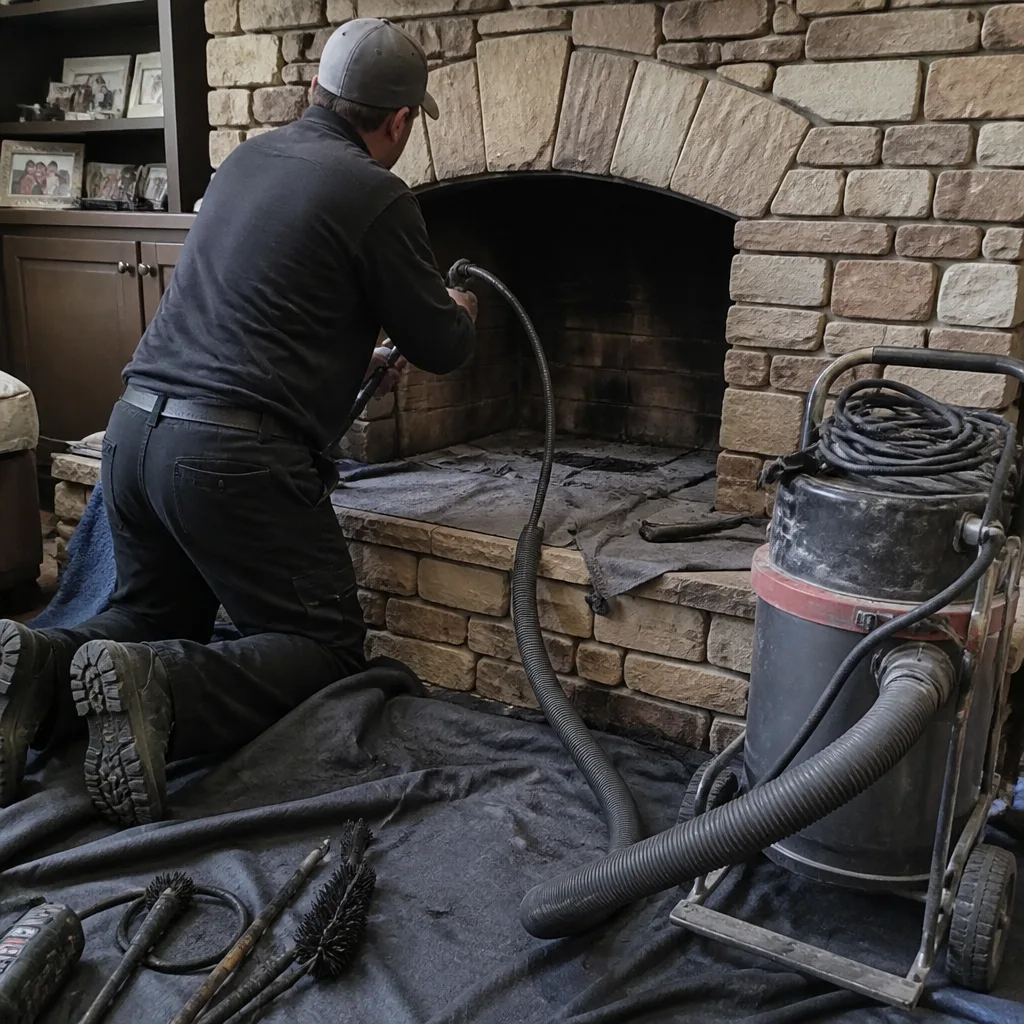 Before
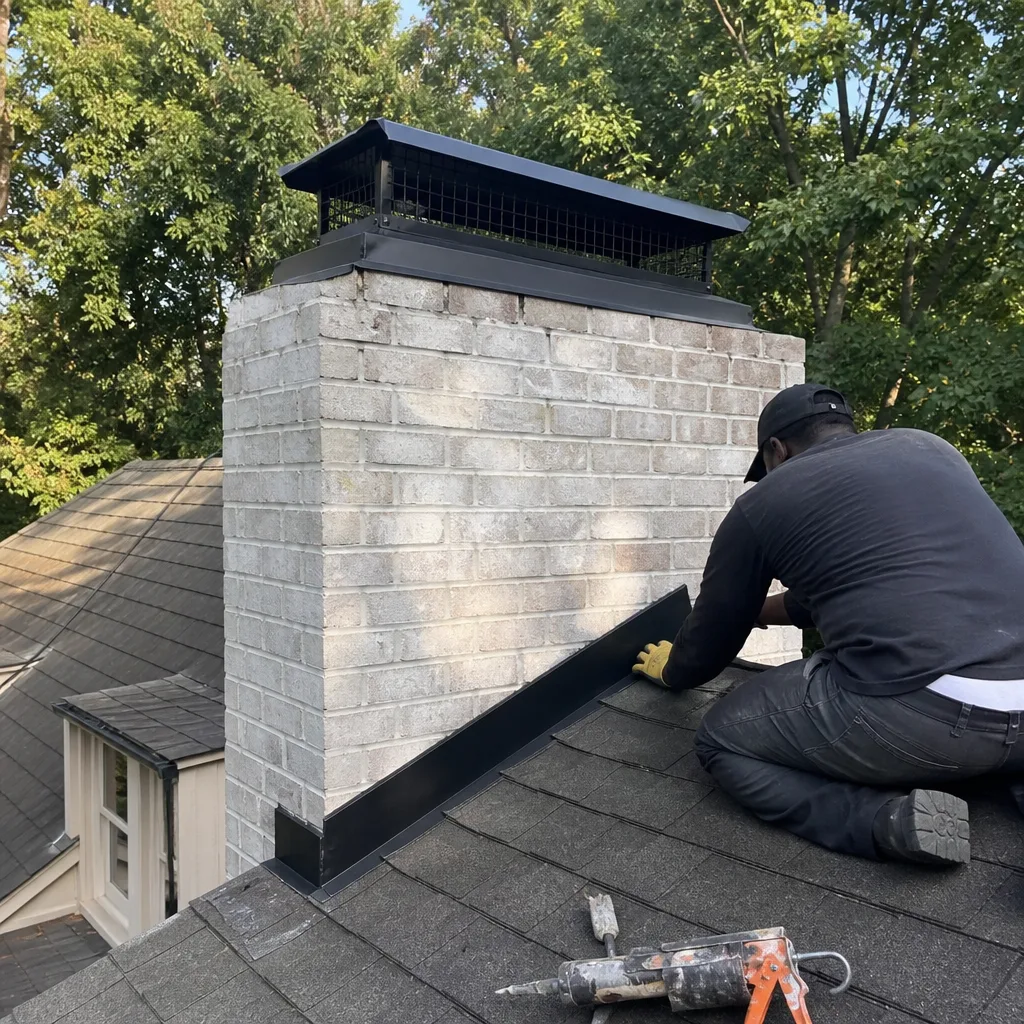 After
After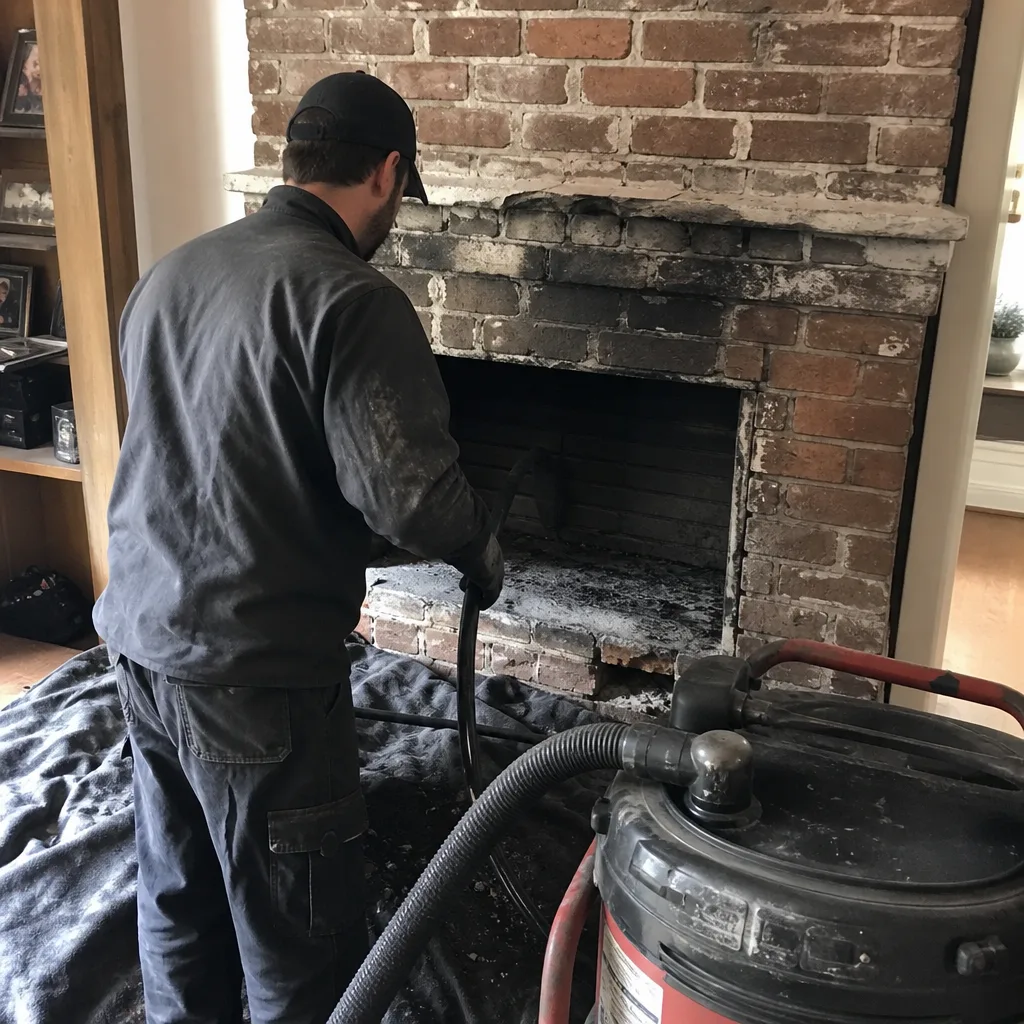 Before
 After
After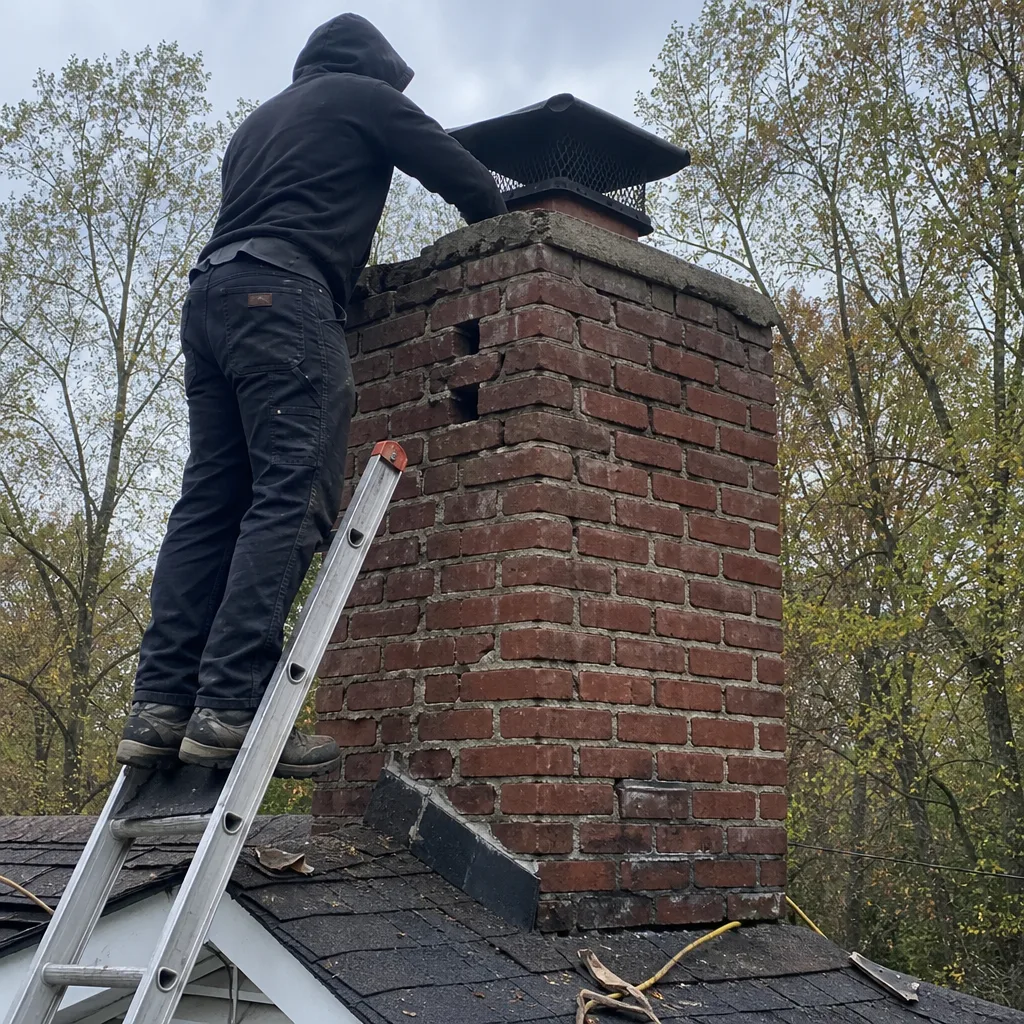 Before
 After
After